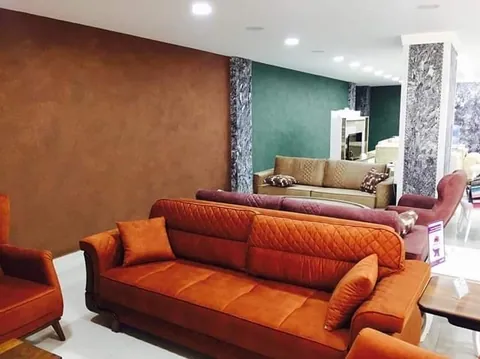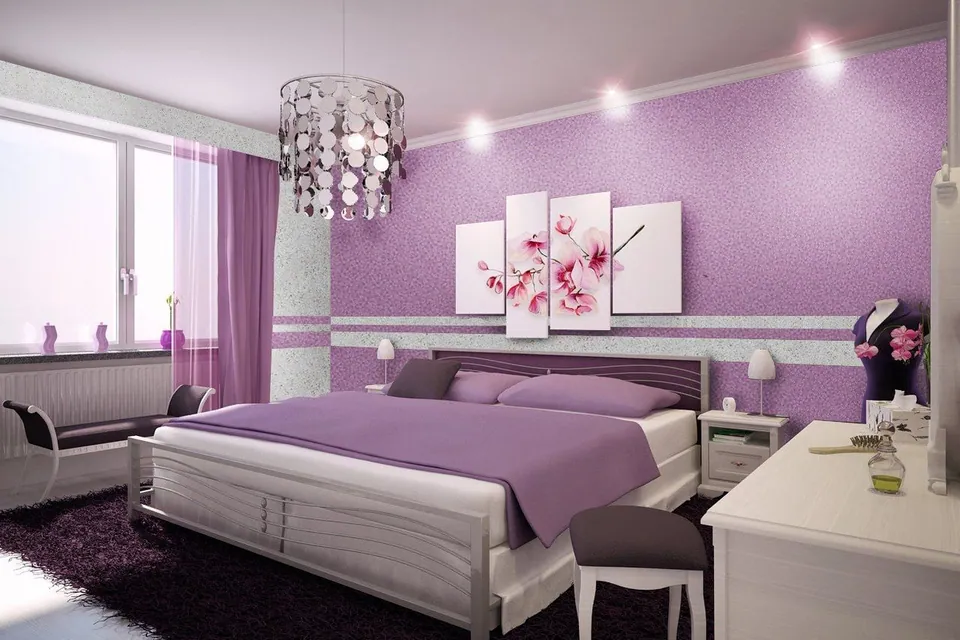

DEPKA advantages
Contributes to sound insulation
Cotton fibres absorb sound instead of reflecting it. Echo in the room drops and the space feels calmer.
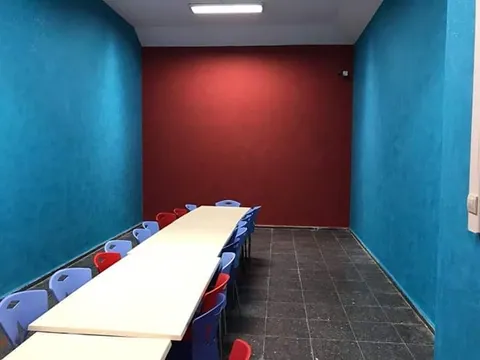
An acoustic wall
Flat painted and plastered surfaces reflect sound, so empty or sparsely furnished rooms echo. The porous, fibrous structure of DEPKA cotton wall plaster absorbs sound waves instead.
As a result, echo in the room is reduced and speech sounds clearer. It also helps reduce noise coming through the walls from neighbours.
Because it can be applied to ceilings too, it is also often chosen to deal with noise from the floor above.
Two different noise problems
Echo inside the room
Sound that bounces off hard surfaces creates a background din. Reducing this echo is the most noticeable effect of cotton plaster.
Noise from neighbours
It helps reduce the sound that passes through walls and ceilings. The effect depends on how the wall is built and on the application thickness.
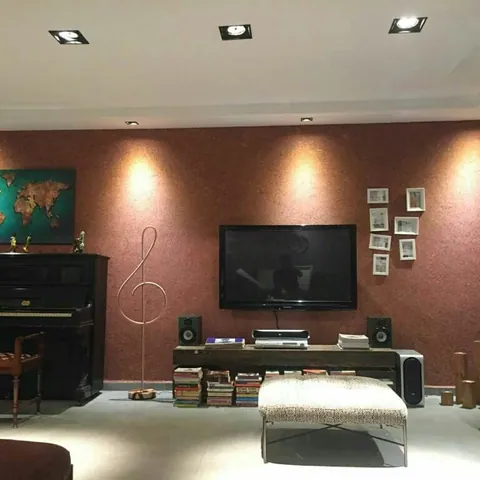
For music, films and conversation
In rooms where you watch TV, listen to music or get together for lively conversation, sound bounces most off large, bare walls and the ceiling. Consider cotton plaster for these surfaces first.
The larger the area you cover, the less sound is reflected: everything sounds cleaner and the room feels calmer.
Where you will notice it
Bedrooms and children's rooms
A calmer, more restful atmosphere.
Offices and meeting rooms
Less echo, clearer speech.
Hotels, cafés and dining halls
Less background din, even when it is busy.
From our projects
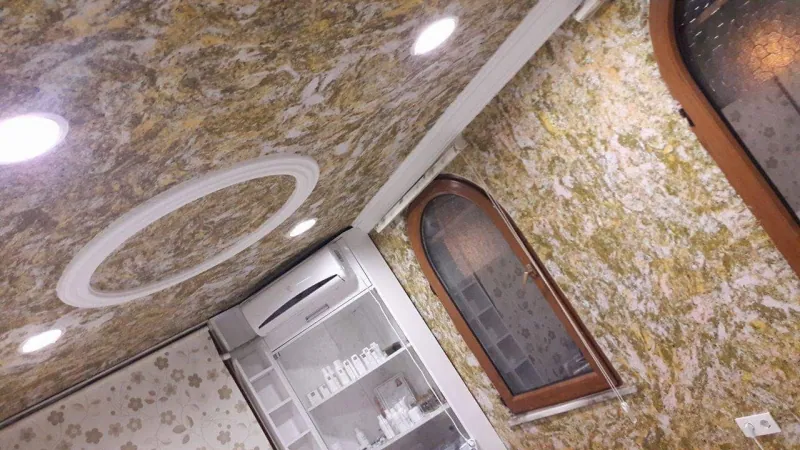
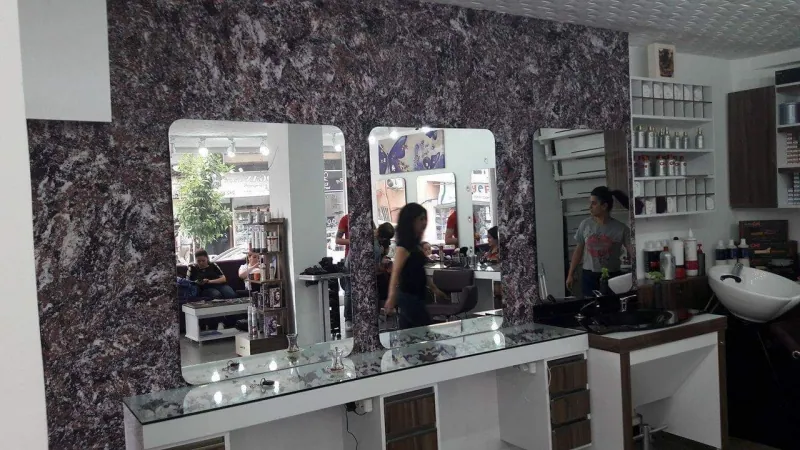
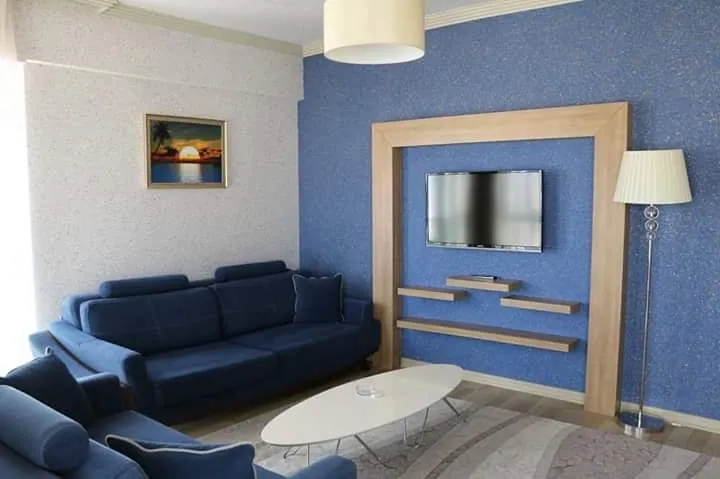
Cotton plaster contributes to sound insulation, but on its own it may not be enough for serious noise problems. Talk to us about your project.
About sound insulation
Does cotton plaster completely block noise from neighbours?
It does not block it completely, but it helps reduce it. Its most noticeable effect is reducing echo within the room.
How thick should it be applied for sound insulation?
The standard application thickness is 1.5–2 mm. A thicker coat increases the effect but also uses more product; you can plan what you need with the coverage calculator.
Is it suitable for offices and meeting rooms?
Because it reduces echo, it is often chosen for offices, meeting rooms, cafés and dining halls. For studios and halls that need professional acoustics, we recommend planning the project with an acoustic consultant.