
DEPKA advantages
Does not crack or break
Rigid plaster and paint layers crack with the small movements of a building. Cotton plaster flexes, so the surface stays intact.
Why cracks form
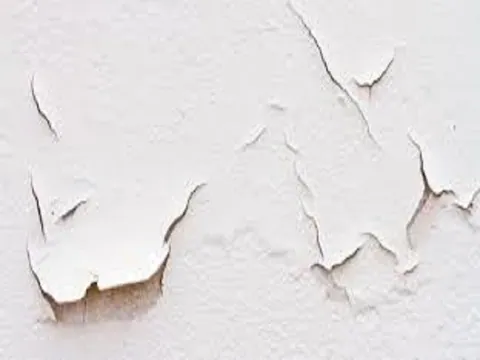
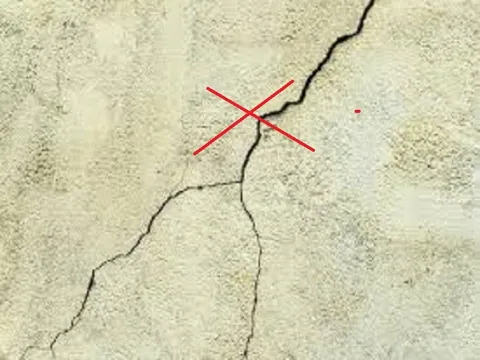
Base plaster, gypsum and paint are rigid layers. Small movements such as a building settling, temperature changes and vibration cause hairline cracks in these layers. A crack that is filled with gypsum and painted over eventually reappears.
DEPKA cotton wall plaster, on the other hand, is a flexible coating made of cotton fibres and natural adhesive. Because it is applied as a paste, it fills gaps and hairline cracks in the surface; once dry, it stays flexible and does not crack or break.
The benefits of a flexible structure
Covers hairline cracks
Fills fine cracks and gaps in the surface during application.
Impact resistant
Its soft texture flexes to absorb knocks.
Does not flake
It does not dry out and flake off, and it does not blister.
Applying to a cracked wall
With the right preparation, cotton plaster gives a smooth result on old and worn walls too.
- 01
Clean
Remove loose material, any paint that dissolves in water, and wallpaper.
- 02
Fill
Fill large gaps and deep cracks with gypsum or cement.
- 03
Remove the dust
Wipe the surface with a damp cloth and let it dry.
- 04
Apply
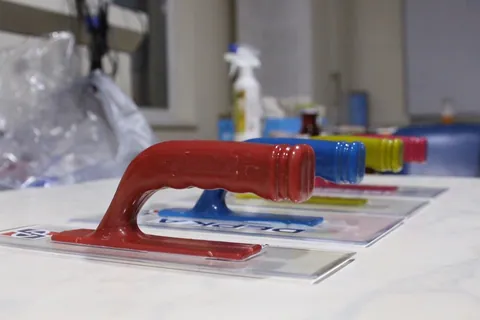
Spread the prepared cotton plaster with the transparent DEPKA trowel; hairline cracks stay hidden beneath the product.
A surface that stays intact for years
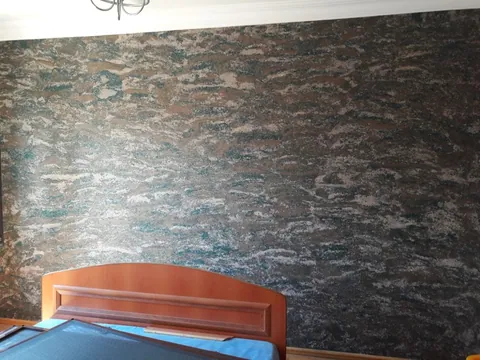
When applied correctly, DEPKA cotton plaster is guaranteed for up to 10 years in new buildings and for 3 years in older buildings.
If an area takes a knock over time, simply wet that area and smooth it out; there is no colour difference where it has been repaired.
Structural cracks
Cracks that keep widening or run deep may come from the building's load-bearing structure; have them checked by a specialist first. Cotton plaster covers hairline cracks in the surface; it does not fix a structural problem.
About cracking
Does cotton plaster crack?
No. Thanks to its flexible structure of cotton fibres and natural adhesive, it does not crack or break.
Can it be applied directly to a cracked wall?
It can be applied directly over hairline cracks, and the product fills them. Large gaps and deep cracks should first be filled with gypsum or cement.
Will settlement cracks show through cotton plaster?
Thanks to its flexibility, it is not affected by hairline cracks caused by a building settling; the crack stays hidden beneath the coating. Cracks that widen over time, however, may be structural.