
DEPKA advantages
Moisture resistant
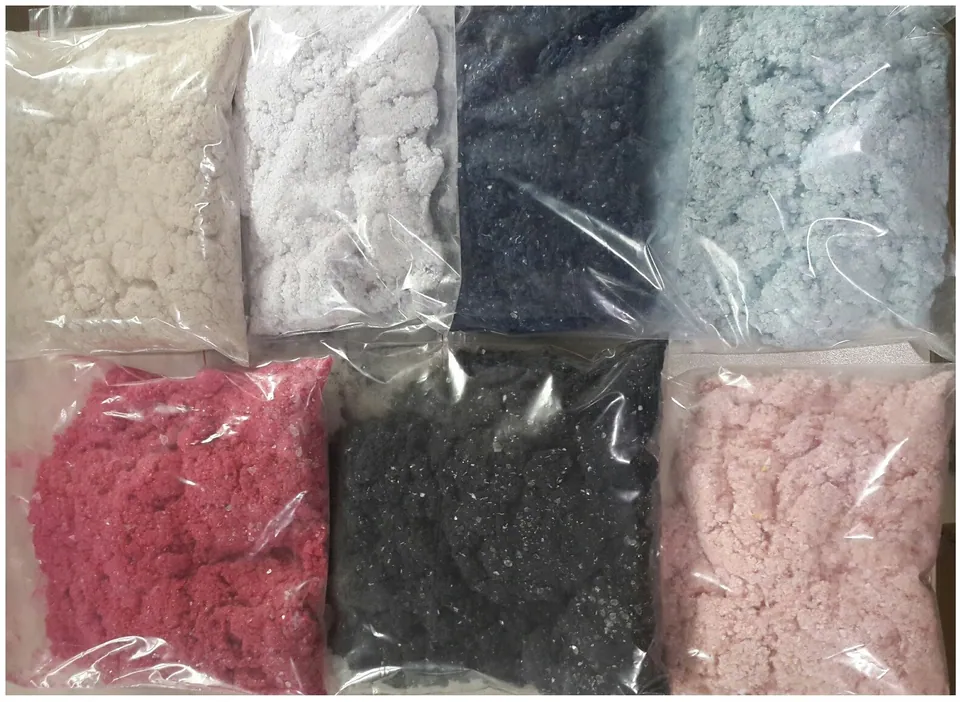
Cotton fibres take up moisture from the air and release it slowly. Your wall breathes and the surface does not blister.

A breathable surface
Moisture is one of the most common reasons why wall paint blisters and peels. Layers that seal the surface completely do not let the moisture inside escape.
DEPKA cotton wall plaster, by contrast, has a fibrous, porous structure. The cotton in it holds moisture from the air for a while and then releases it back into the room, so the surface breathes.
It adheres well to the surface it is applied to and does not blister or peel.
Deal with the source of moisture first
Cotton plaster is moisture resistant, but it does not fix problems such as water leaks, leaking pipes or rising damp. If you have a problem like this, deal with the source first and apply the plaster once the wall has dried out.
At home in humid spaces too
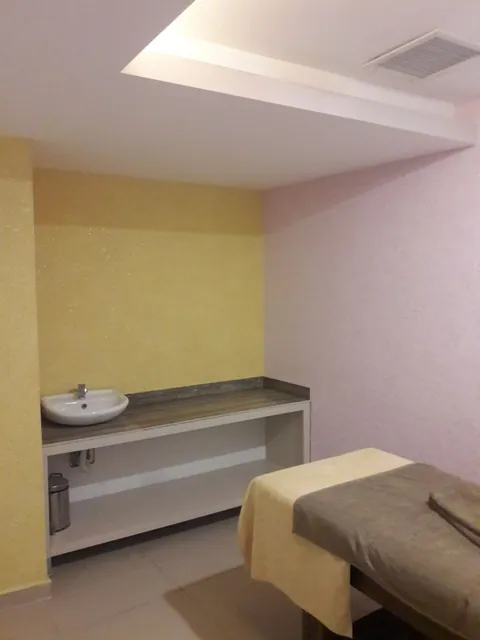
Cotton plaster is used in spa and massage rooms, hotel rooms and corridors, where the air becomes humid from time to time.
Surfaces that are directly and constantly exposed to water, such as inside a shower or a kitchen splashback, are a different matter: cotton plaster softens when it gets wet. Talk to us and we will find the right solution for surfaces like these together.
Keeping moisture in check
Ventilate
Air the space regularly after application and in everyday use.
Fix the source
Sort out leaks and damp before application.
Repair any stains
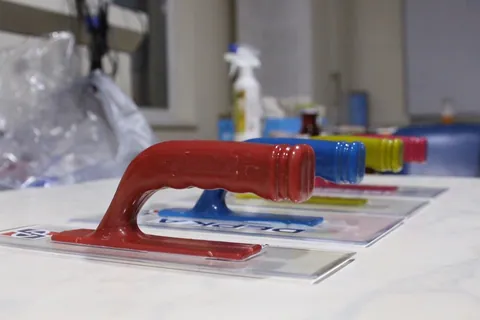
If a water stain appears, wet the area and smooth it with a trowel.
Explore →About moisture
Can cotton plaster be used in bathrooms and kitchens?
As it is moisture resistant, it can be used in spaces where the air gets humid. For wet areas that are directly exposed to water, such as inside a shower, talk to us so we can help you choose the right product.
Does cotton plaster go mouldy?
Cotton plaster is a breathable, moisture-resistant surface. Mould is usually caused by constant moisture and poor ventilation; if you have these problems, deal with the source first and air the space regularly.
What happens if the wall gets wet?
Cotton plaster softens when it gets wet and hardens again once it dries; this is exactly what makes it so easy to repair. If a mark is left where it got wet, you can smooth it out with a trowel.