

What sound is and how it travels
Sound is energy created by vibrating objects, and it travels in waves. To get from one point to another, it needs a medium to carry it. Air is the medium through which sound most commonly travels, but sound also moves through solids and liquids, and it travels fastest through solids.
The speed of sound depends on the density and temperature of the medium; under normal conditions it travels at around 340 metres per second in air. As sound waves travel, they lose energy. When they meet an obstacle, they bounce back like the ripples from a stone thrown into water, leaving part of their energy in that obstacle.
Frequency, decibels and sound absorption
Frequency is the number of vibrations a sound makes per second, measured in hertz (Hz). The higher the frequency, the higher the pitch. The human ear generally perceives sounds between 20 Hz and 20,000 Hz; sounds near the lower limit are the deepest and those near the upper limit the highest. Some sources give the lower limit as 16 Hz.
Sound pressure level is expressed in decibels (dB).
The sound absorption coefficient is the ratio of the sound energy a surface absorbs to the sound energy reaching it, and ranges from 0 to 1. Multiplying the surface area by this coefficient gives the surface's sound absorption, measured in sabins. The part of the sound reaching a surface that is not reflected is considered absorbed.
Soft, porous materials absorb a large share of the sound waves that hit them. All building materials absorb sound to some degree, but successful acoustic control in a room calls for highly absorbent surfaces.
Two types of sound insulation in buildings
Acoustic treatment
In busy spaces, a constant hum builds up even when sounds are not especially loud. This happens because sound echoes off hard interior surfaces. Sound-absorbing surfaces reduce this hum and the overall noise level.
Sound transmission insulation
Measures that stop noise passing from one space to another. Hard surfaces reflect sound, while in air-permeable, flexible materials such as glass wool and stone wool, much of the sound energy is turned into heat and dies away.
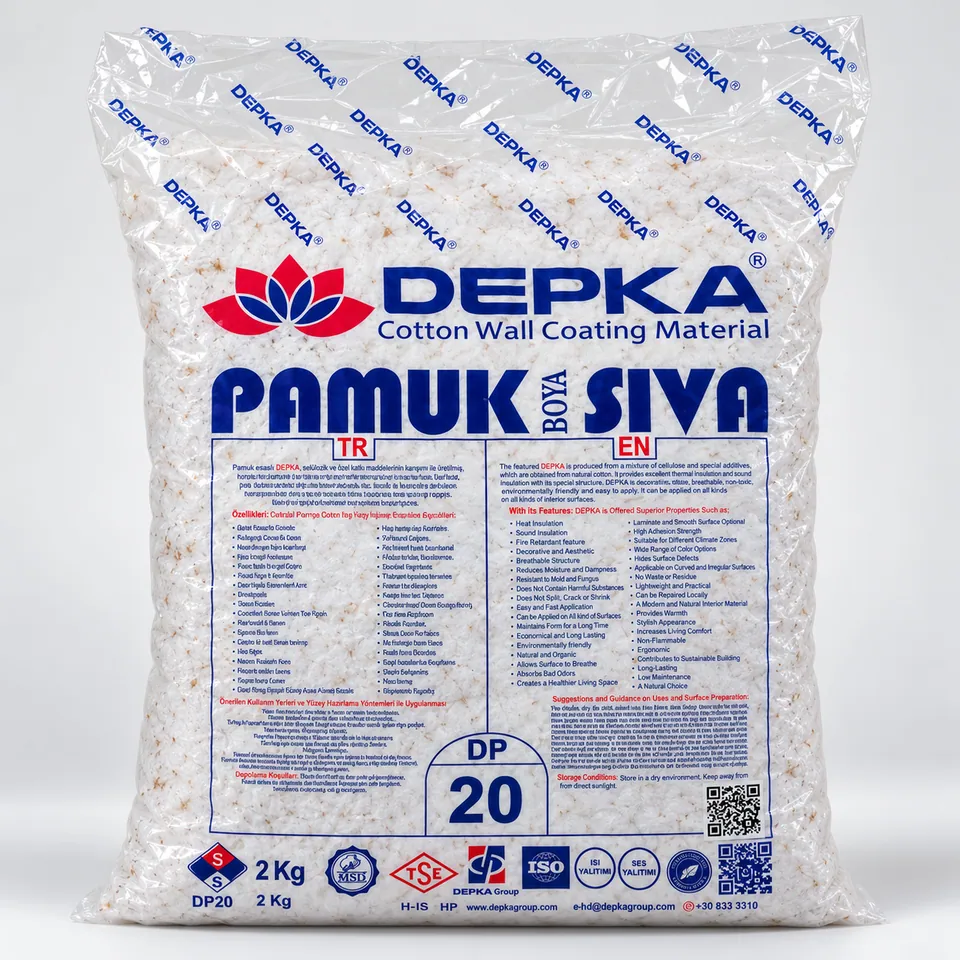
DEPKA cotton plaster
The part cotton plaster plays
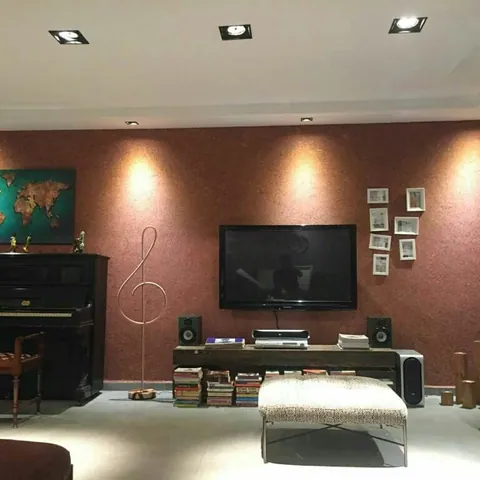
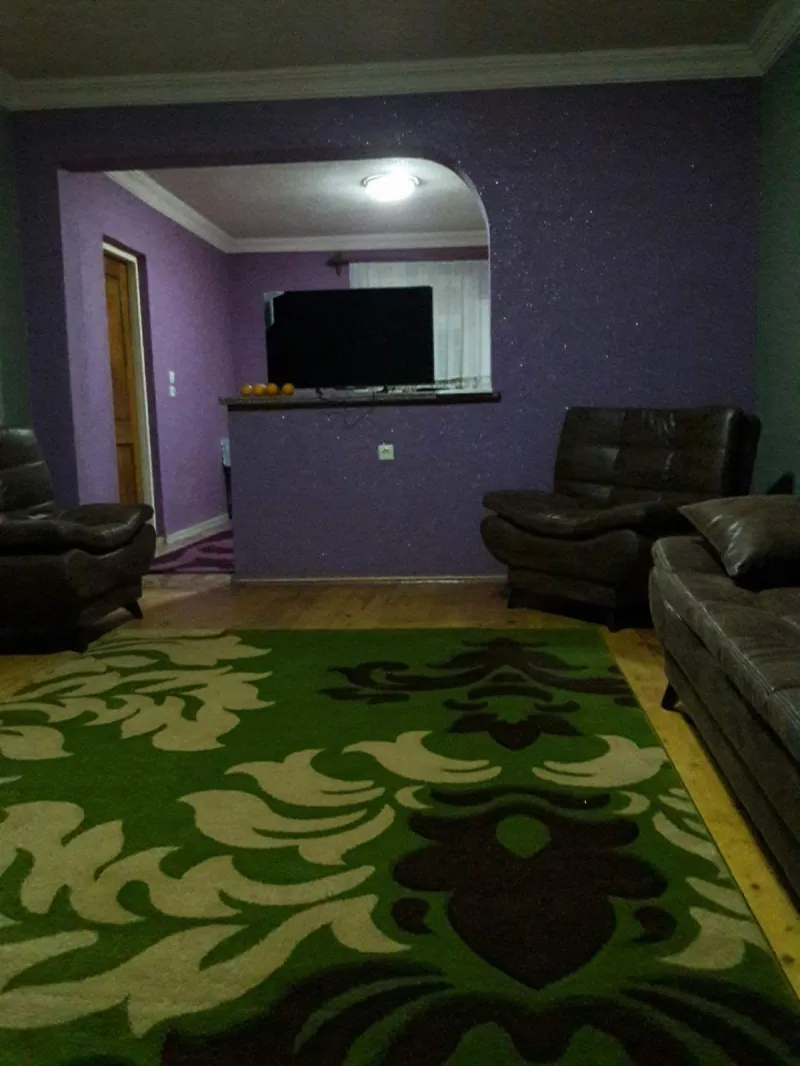
DEPKA cotton plaster brings the sound-absorbing quality of soft, porous materials to the wall surface. Its fibrous texture reflects less sound than hard paint and gypsum surfaces, helping to reduce echo and hum inside a room.
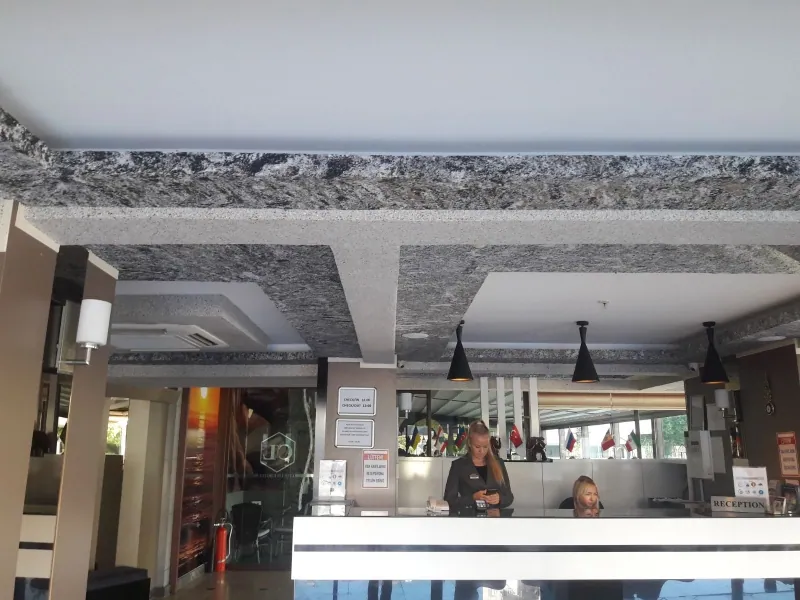
It also helps to reduce sounds coming through party walls and from the floor above, and the fact that it can be applied to ceilings is an advantage here. The effect varies with the thickness of the coat and the construction of the wall.
Find out more on the sound insulation page.
Cotton plaster has its most noticeable effect on echo within a room. For spaces that need a high level of sound insulation, such as studios or cinemas, we recommend using cotton plaster together with insulation boards, planned by an acoustics specialist.
From our projects

About sound insulation
Are sound insulation and acoustics the same thing?
No. Acoustic treatment aims to reduce echo and hum within a space, while sound transmission insulation aims to stop sound passing from one space to another.
What does the sound absorption coefficient mean?
It shows how much of the sound energy reaching a surface is absorbed by it. 0 means the sound is fully reflected and 1 means it is fully absorbed. Soft, porous surfaces have a higher coefficient.
Will cotton plaster block noise from the neighbours?
It will not block it completely, but it helps to reduce it. Its most noticeable effect is reducing echo inside the room. Results depend on the construction of the wall and the thickness of the coat.