
What is cotton plaster
Cotton plaster, also called cotton wall plaster, is a cotton-based interior decoration product with natural content. DEPKA cotton plaster contains nothing but cotton, natural adhesive and decorative natural stone; every ingredient is natural. Once the product is combined with the right amount of water, it is ready to use.
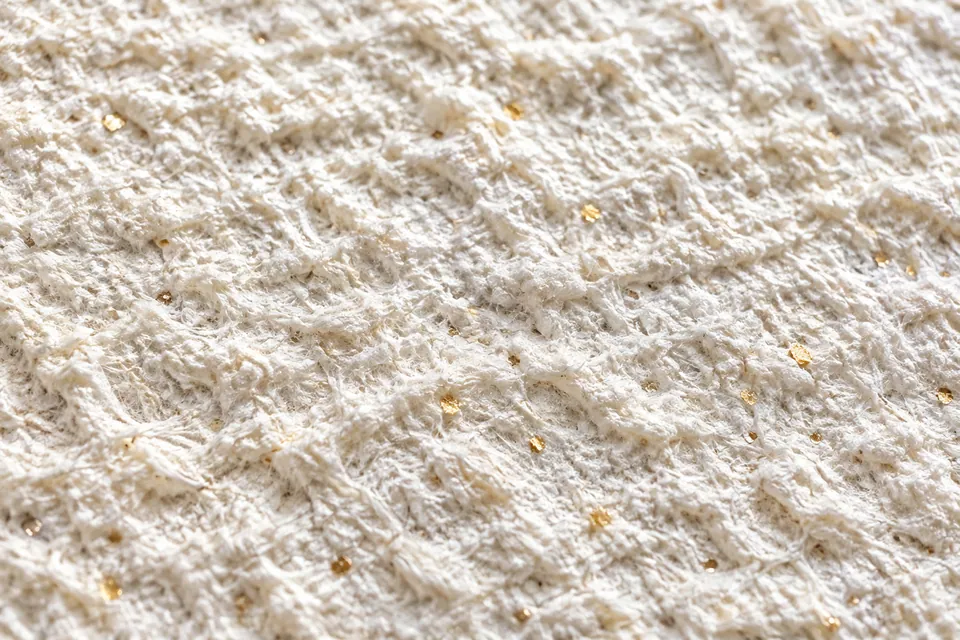
It can be applied to concrete, gypsum, plasterboard, wood, marble, glass, plastic, stone, metal and satin-painted surfaces. When dry, it forms a soft, warm surface with a gentle texture.
It belongs to the same broad family as liquid wallpaper and is often confused with the textured coatings sold as silk plaster, but DEPKA cotton plaster is a distinct product: its fibre is cotton. We explain the differences in our comparison article.
Fewer materials, less labour
One product in place of seven layers
On its own it can replace rough plaster, finishing plaster, gypsum, satin gypsum, primer, paint and wallpaper. Whether you use those layers is up to you.
- 1Base plaster
- 2Finishing plaster
- 3Gypsum
- 4Satin gypsum
- 5Primer
- 6Paint
- 7Wallpaper
Features and advantages
100% natural
Cotton, natural adhesive and natural stone.
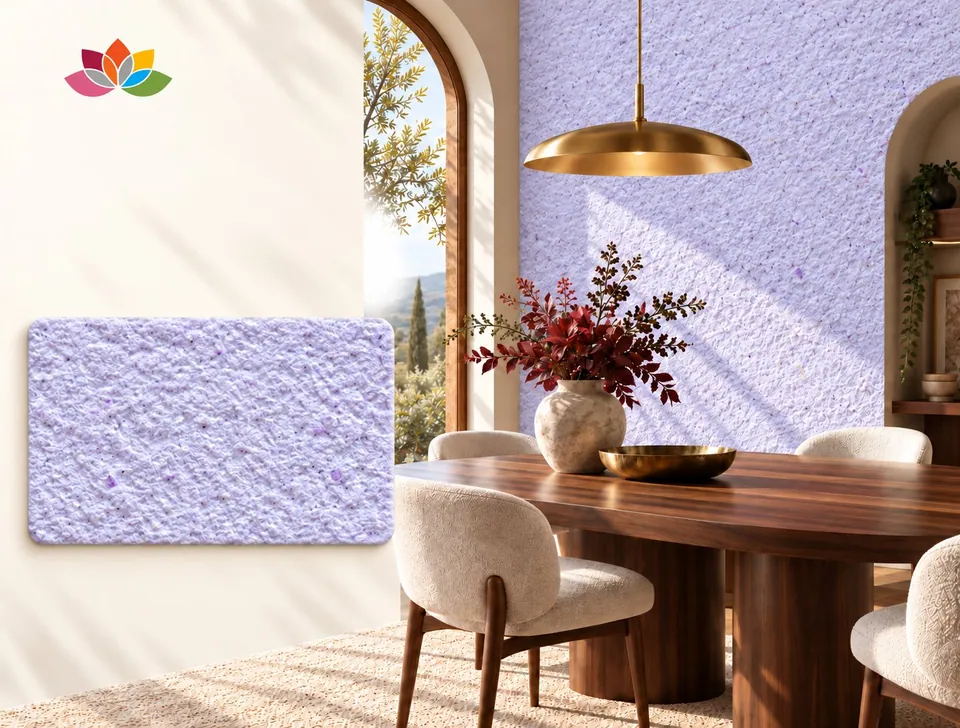
Explore →60 main colours
DP01–DP60 and countless mixed colours.
Explore →Helps with thermal insulation
Up to 40% energy savings on heating and cooling.
Explore →Helps with sound insulation
The porous texture reduces echo.
Explore →Crack-free
Its flexible structure does not crack or break.
Explore →No primer needed
Applied directly to most surfaces.
Explore →Easy repair
Dampen it, smooth it and no mark remains.
Explore →Colour does not fade
The colour stays the same for years.
Explore →Moisture resistant
It breathes and resists damp.
Explore →Fire resistant
Tested at the TSE laboratory to TS EN 13501-1 and TS EN ISO 11925-2.
Explore →Odour-free
No chemical smell, and not allergenic.
Explore →Lightweight
Adds no load to the wall or the building.
Explore →Preparation and application in four steps
- 01
Prepare the surface
Wipe off dust with a damp cloth, remove water-soluble paint and wallpaper, and fill large holes with gypsum or cement. On painted surfaces, a silicone-free conversion primer helps.
- 02
Prepare the product
Loosen the cotton while it is dry, then add 4 litres of warm water per 1 kg of product. Mix for 20–25 minutes, leave to rest for at least 20 minutes and mix again for 5 minutes.
- 03
Apply
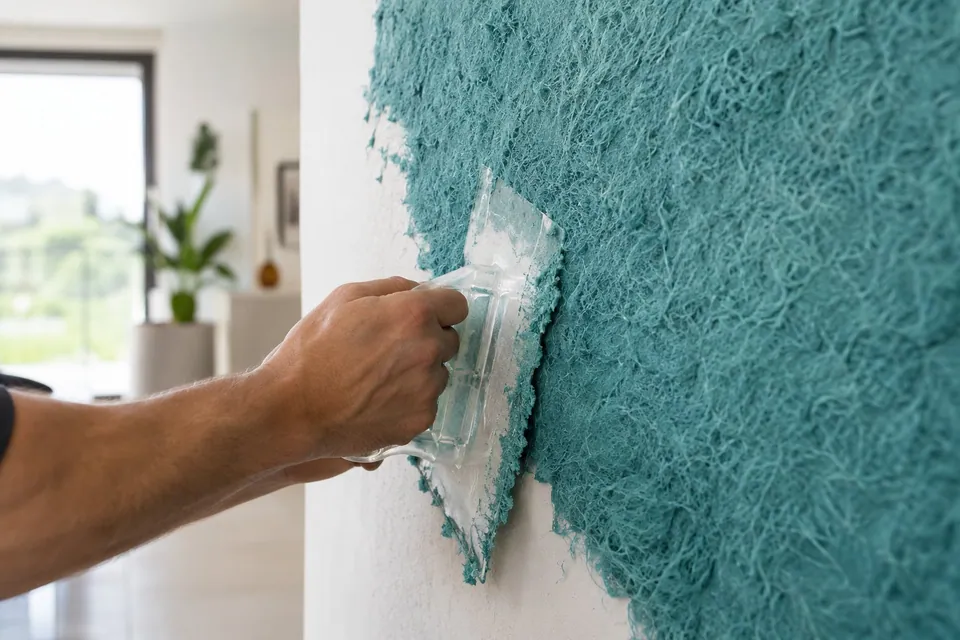
Spread it with the transparent DEPKA trowel to a thickness of 1.5–2 mm. You can create patterns by blending colours dry or by combining separate batches on the wall.
- 04
Drying and aftercare
It dries in 12–24 hours. No special care is needed; a damaged spot is dampened, topped up with the same product and smoothed.
Product and application materials
- Main product
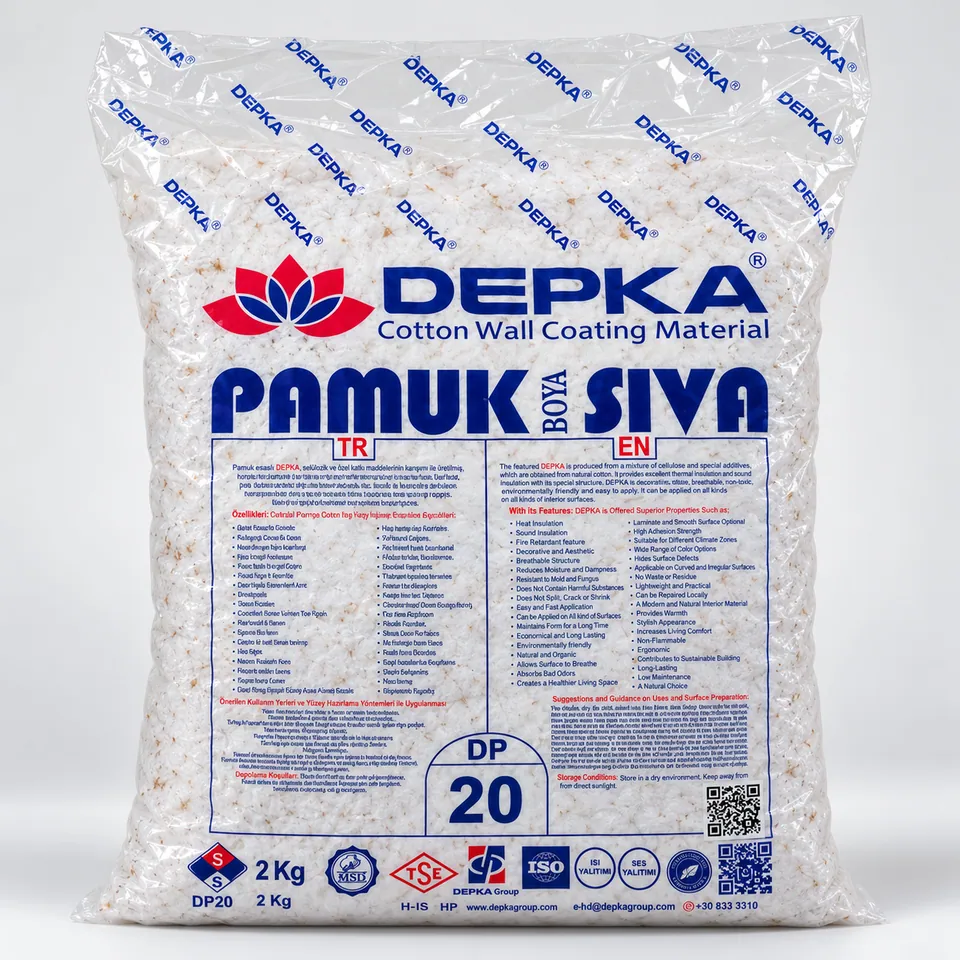
- DEPKA cotton plaster, 2 kg pack
- Application tool
- Transparent plastic DEPKA trowel
- Primer
- Not essential; on problem walls, a silicone-free conversion primer, ceiling paint or concrete primer
- Decoration
- Optional DEPKA mica (gold or silver)
- Water
- 4 litres of clean, warm water per 1 kg of product
- Coverage
- 3.5–4 m² per 1 kg
- Guarantee
- Up to 10 years in new buildings, 3 years in older ones
For tips on consistency, points to watch during application and repair methods, see the preparing and applying DEPKA cotton plaster article and the application page.
Frequently asked questions
Is cotton plaster a paint?
No. Paint is a thin, flat layer, whereas cotton plaster is a textured coating applied 1.5–2 mm thick. More on this in cotton plaster and paint.
How should cotton plaster be stored?
Keep it in its sealed packaging in a dry, well-ventilated place. Once mixed with water, keep it somewhere cool and use it within 24 hours.
How long does it take to dry?
It dries in 12–24 hours, depending on the weather. Keep the room ventilated until it is dry.
How much does cotton plaster cost?
A 2 kg pack costs 1,600 TL (800 TL per kg) with free shipping within Türkiye. This is the Türkiye price; for export orders, please contact us. For the cost per square metre, see the cotton plaster prices article.