
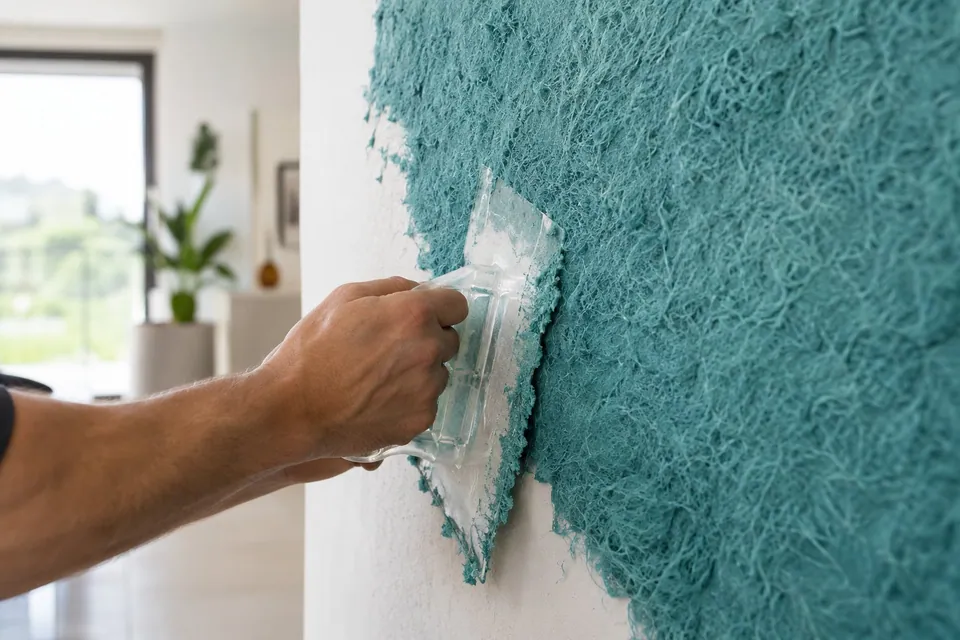
What is in the product
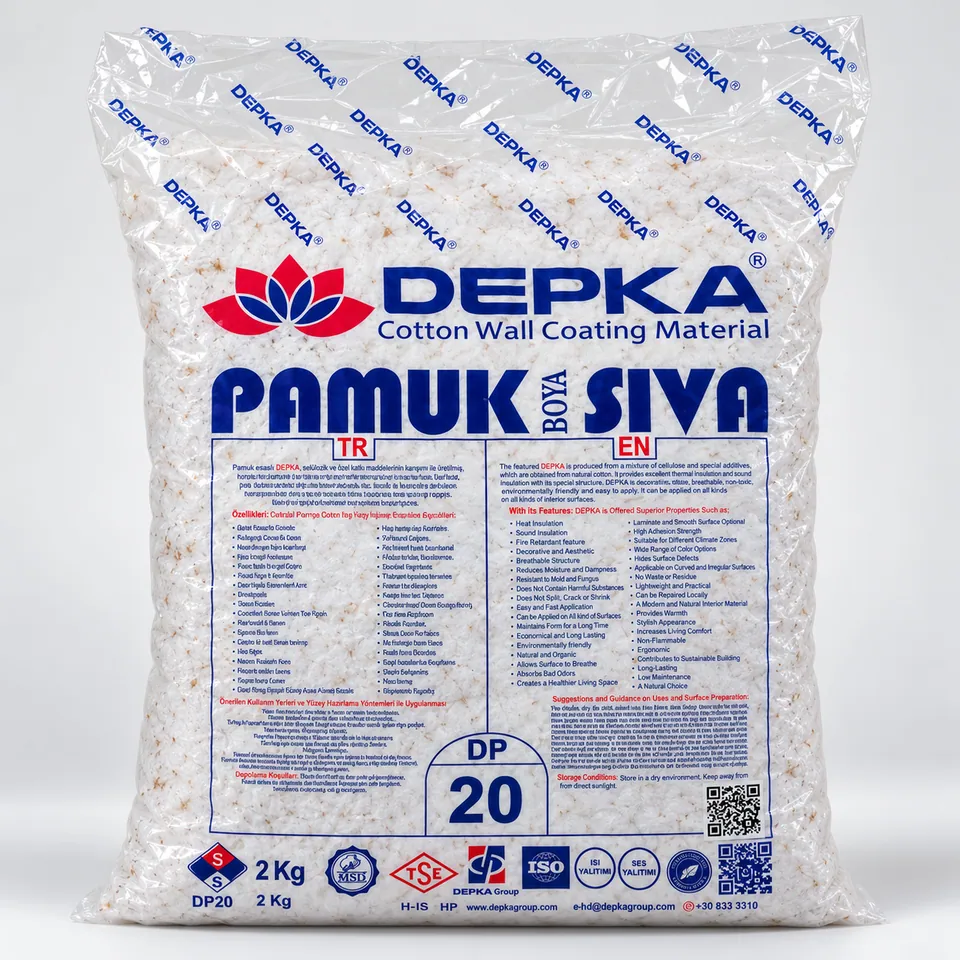
DEPKA cotton wall plaster is made of cotton, natural adhesive and decorative natural stone, and nothing else. Once the product is combined with the right amount of water, it is ready to use.
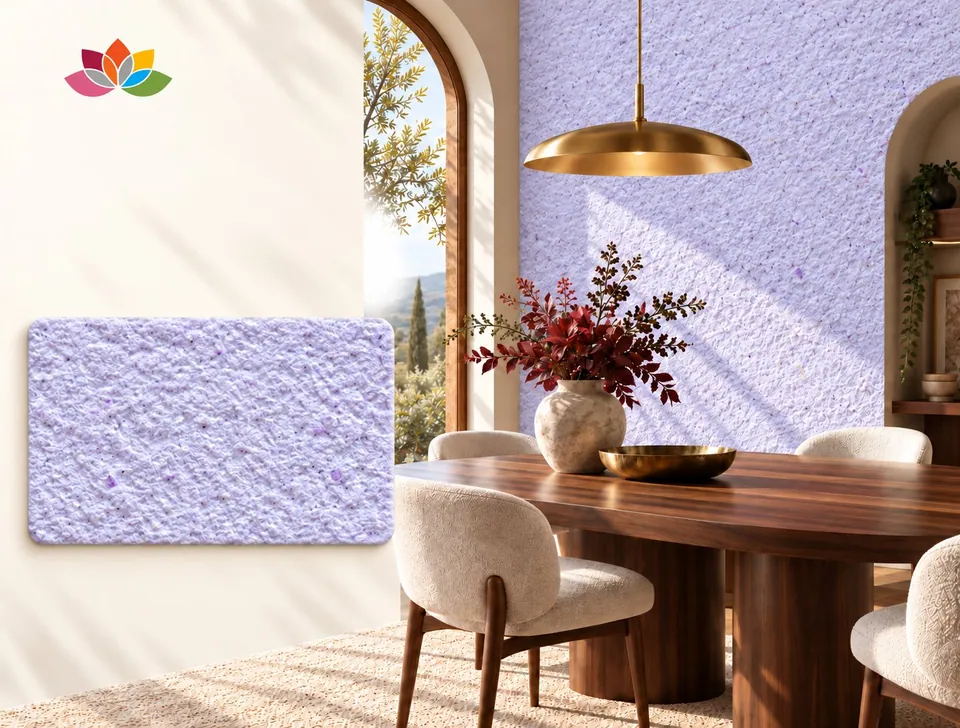
Cotton plaster is applied to interior walls and ceilings. On its own it can replace rough plaster, finishing plaster, gypsum, satin gypsum, primer and paint; whether you use those layers is up to you.
The product is sold in 2 kg packs: a 2 kg pack costs 1,600 TL with free shipping within Türkiye. This is the Türkiye price; for export orders, please contact us. Store the packs in a dry, well-ventilated place.
At a glance
- Coverage
- 3.5–4 m² per 1 kg
- Water
- 4 litres of clean, warm water per 1 kg of product
- Mixing
- 20–25 minutes
- Resting
- At least 20 minutes, then mix again for 5 minutes
- Coat thickness
- 1.5–2 mm
- Drying
- 12–24 hours (depending on the weather)
- Mixed batch
- Keep in a cool place and use within 24 hours
- Additives
- Nothing is added but water
What you need
DEPKA cotton plaster
Enough packs in your chosen colour to cover your area.
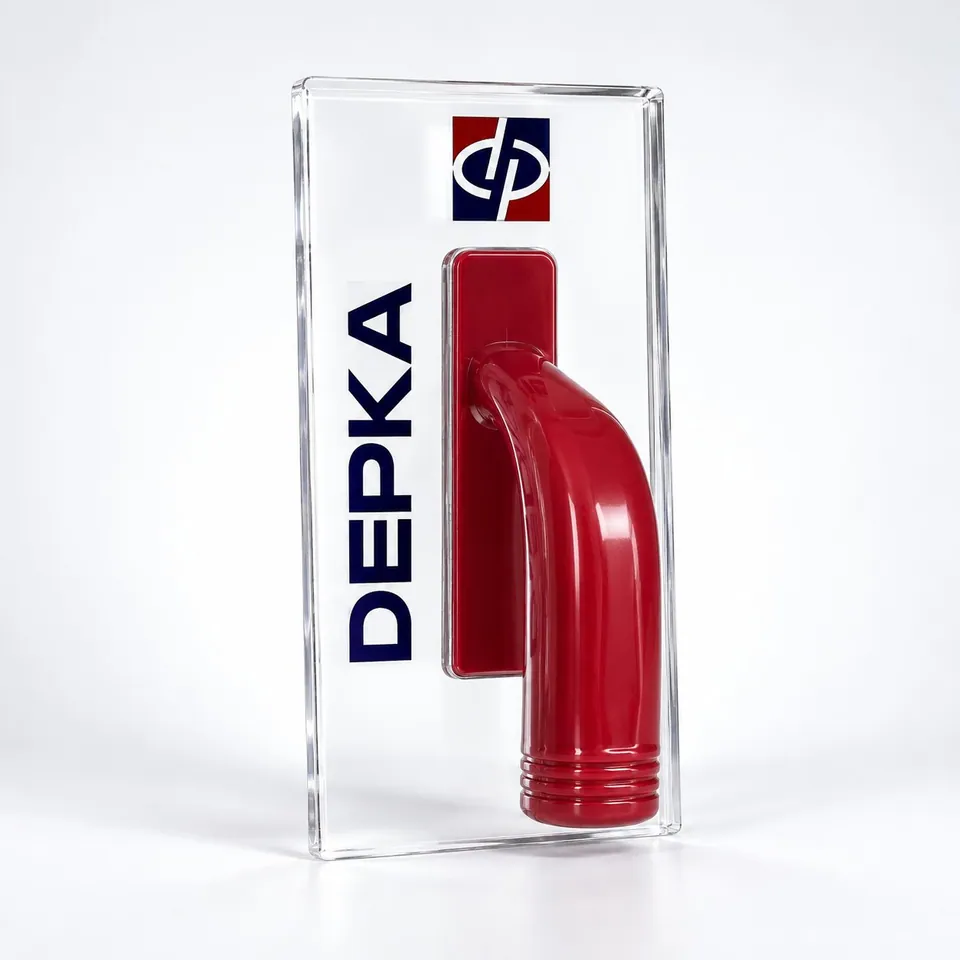
Explore →Transparent DEPKA trowel
A clear plastic trowel, so you can see the surface underneath as you work.
Explore →Plastic tub and warm water
A large plastic tub for mixing and clean, warm water.
Primer (if needed)
Not essential; it can be used on painted or problem walls.
Step by step
Application in four steps
- 01
Prepare the surface
Natural surfaces can be covered directly. Wipe off dust with a damp cloth. Remove poor-quality paint and wallpaper that dissolve in water, and fill large holes with gypsum or cement. If you have primed or wiped the wall, let it dry first.
- 02
Prepare the product
Empty the product into a plastic tub and loosen any clumped cotton by hand before adding water. Then add the water, and mix and rest it using the ratio and times given under ‘At a glance’.
- 03
Apply to the wall
Spread the mix on the wall with the transparent DEPKA trowel and smooth it to a thickness of 1.5–2 mm. Until you get the feel of it, work in small sections, like pieces of a puzzle.
- 04
Let it dry
Keep the area ventilated until it is dry; depending on the weather, it dries in 12–24 hours. Set aside some dry product for any repairs later on.
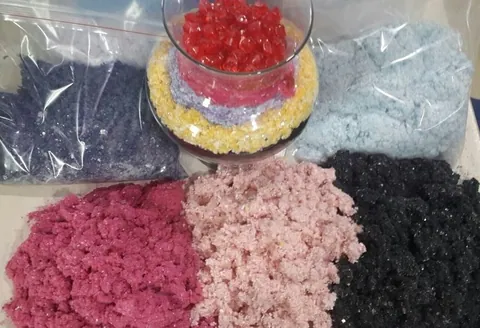
Points to watch when mixing
- No more than 6 kg at a time. Whether by hand or with a mixer, do not mix more than 6 kg in one go.
- Consistency. The right consistency is about as soft as an earlobe. The amount of water can vary slightly with the hardness and temperature of your water, so adjust the mix accordingly.
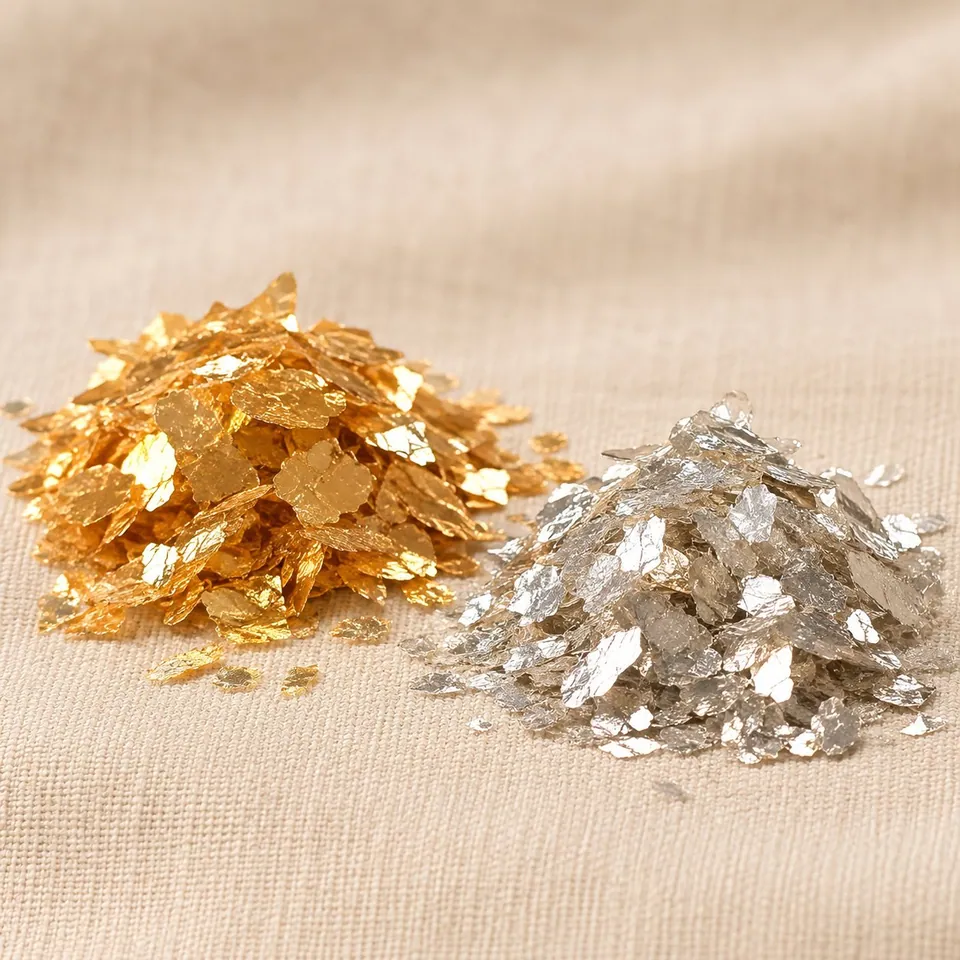
- No additives. Do not add anything to the mix except water. For a shimmering texture you can use DEPKA mica flakes; see the mica page for the amount.
- Mixed colours. Blend several colours dry, before adding water, or combine separate batches on the trowel. The methods are on the mixed colours page.
During application
If you take a break
When you return to a half-finished wall, start by dampening the edge by 10–15 cm so the join does not show.
Corners
Finish one corner first; doing the opposite corner a little later gives a neater result.
Trowel marks
If a trowel mark or small flaw shows once it is dry, dampen the area lightly and smooth it out.
Drying
Ventilate the room. To speed up drying, you can use a fan placed at a distance.
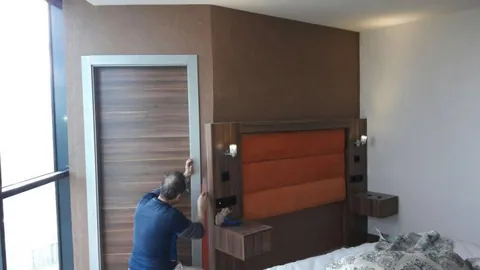
Aftercare and repair
Cotton plaster needs no special care, stays in good condition for many years and keeps its colour. When applied correctly, it is guaranteed for up to 10 years in new buildings and 3 years in older ones.
- Small scratches or pen marks: Dampen the area, wait a little and smooth it with a flat plastic or glass trowel.
- Larger damage or heavy dirt: Dampen and remove the area, add the same product and smooth it.
Once dry, there is no visible touch-up mark as there would be with paint. Always keep a little sample of the product used in each room.
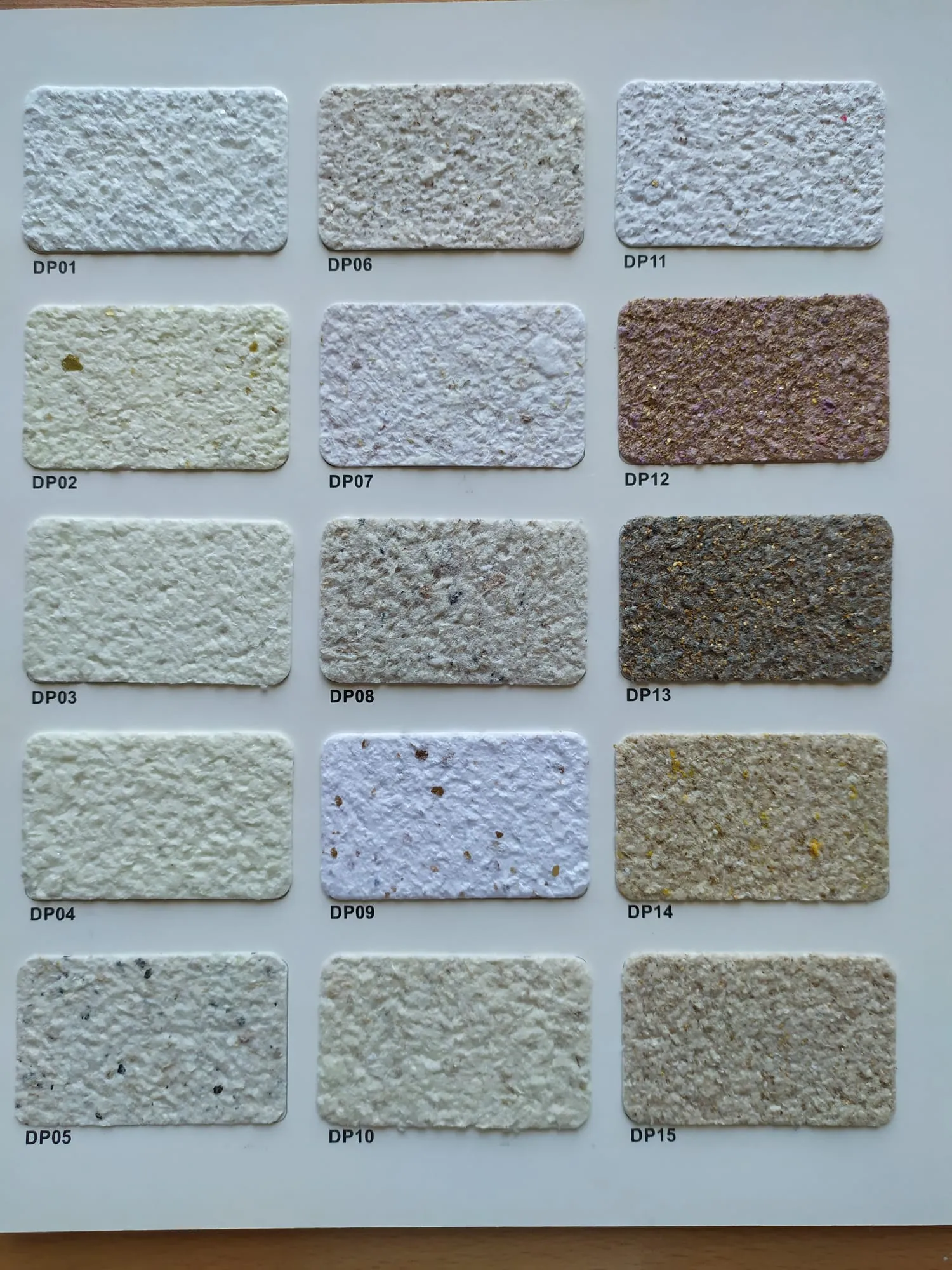
Choose your colour
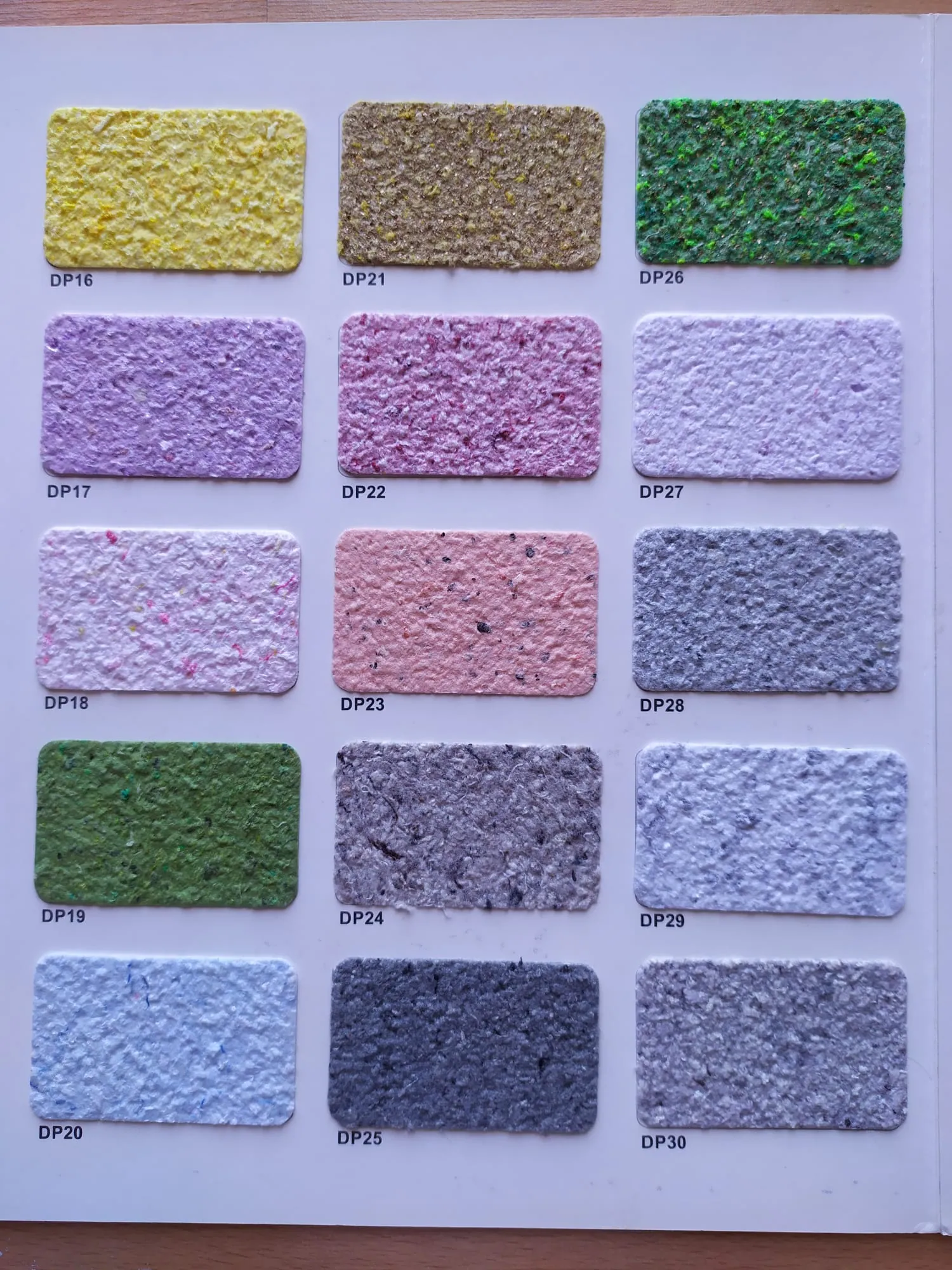
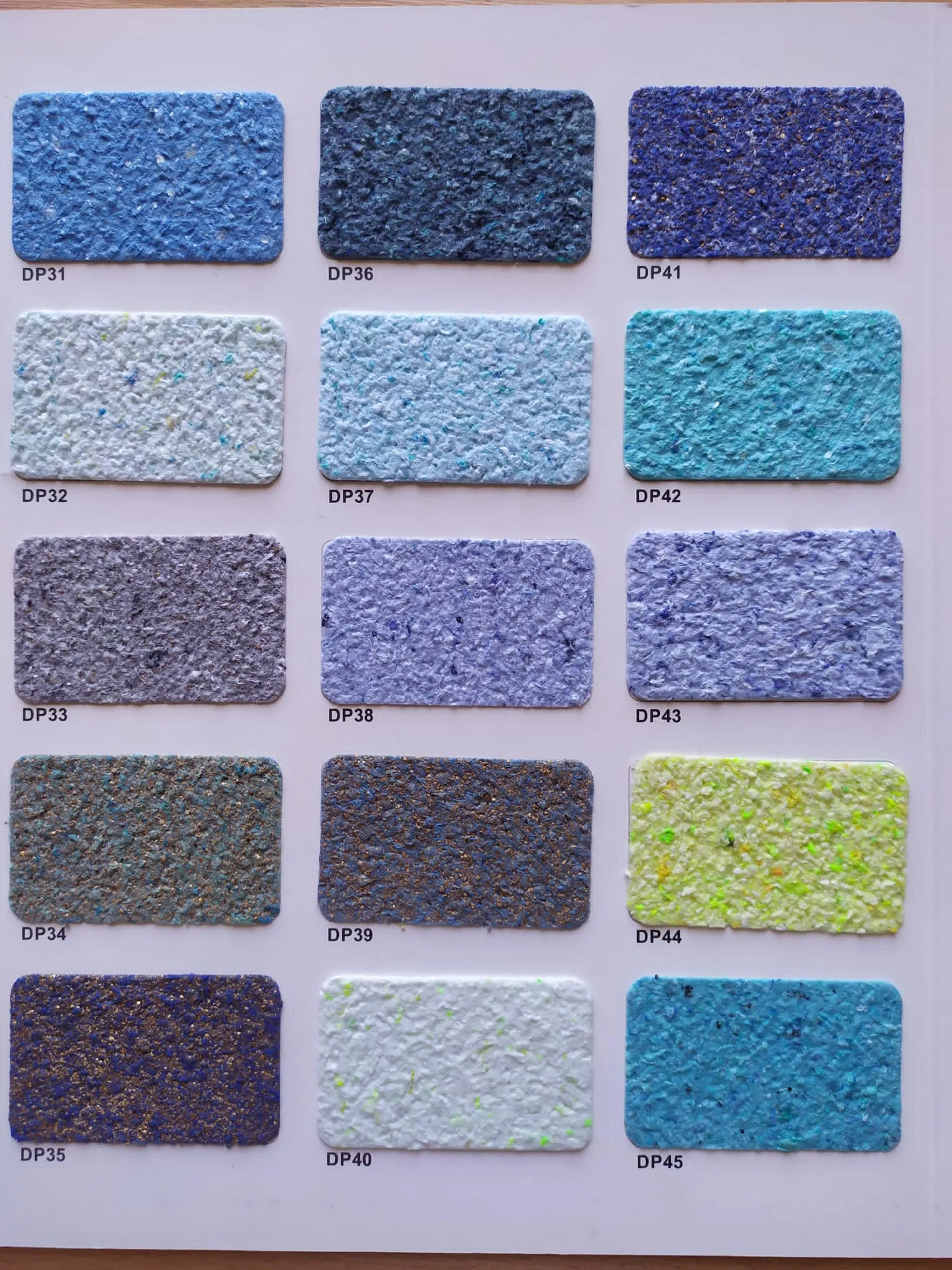
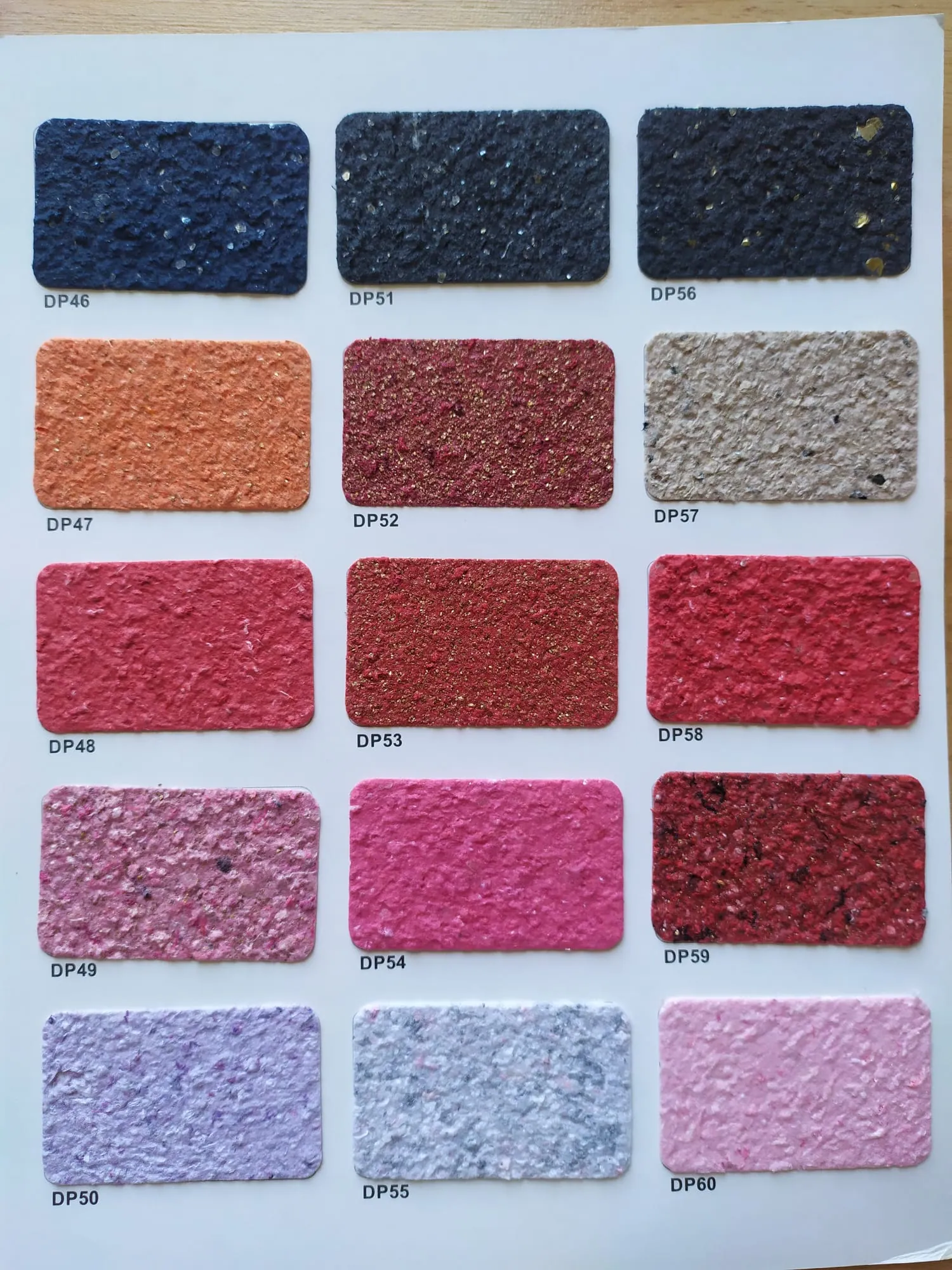
Four colour charts, each with 15 colours. All colours are on the colour chart page.
Watch the application
About preparation and application
Does cotton plaster need a primer?
On most surfaces it does not. On painted surfaces a silicone-free conversion primer is recommended; ceiling paint can also be used as a primer. On crumbling or dusty surfaces, a concrete primer gives a firmer base.
What should I do with leftover mix?
Keep any leftover mix in a cool place and use it within 24 hours.
Can it be applied over wallpaper?
No. Strip the wallpaper and clean the surface, then apply the cotton plaster.
How much product should I buy?
1 kg of product covers 3.5–4 m², so a 2 kg pack is enough for about 7–8 m². The coverage calculator shows how many packs you need.
Can I apply it myself?
Yes. No special equipment is needed: a tub, warm water and a transparent DEPKA trowel are enough. There is a detailed guide on the application page.