
Surfaces you can cover
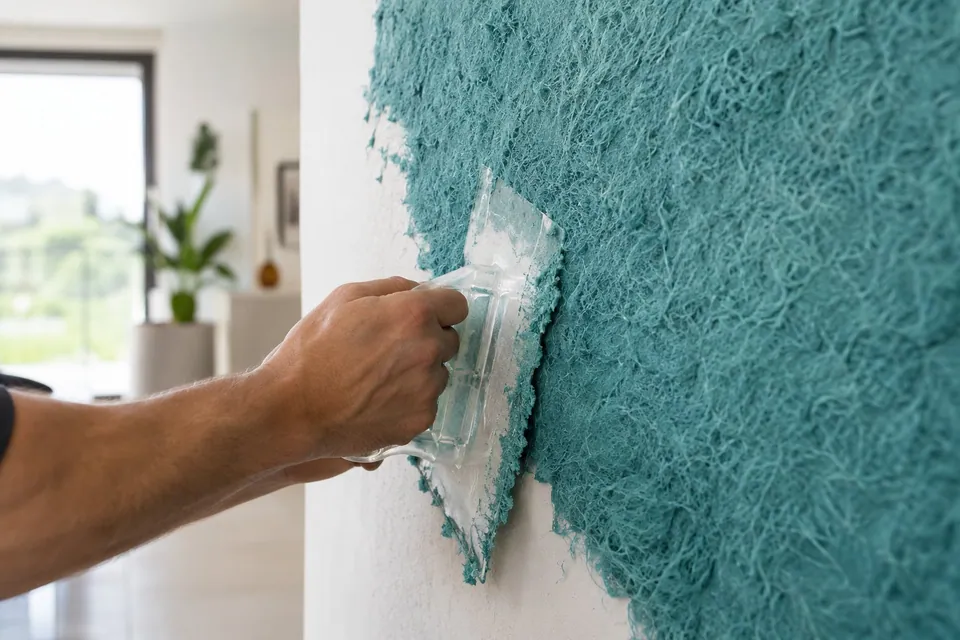
Indoors, cotton plaster can be applied to all of the surfaces below. Natural surfaces need no extra preparation; simply remove the dust.
Plastered interior walls
Over rough and finishing plaster.
Ceilings
Applied to ceilings the same way as to walls.
Concrete
A concrete primer is recommended on poor or damaged surfaces.
Gypsum and plasterboard
Gypsum, satin gypsum and plasterboard surfaces.
Brick, block, aerated concrete
Directly onto masonry walls.
Wood
Wooden surfaces and panels.
Glass
Glass surfaces.
Metal
Iron and aluminium surfaces.
Plastic
Plastic and PVC surfaces.
Ceramic and marble
Wall tiles, ceramic, marble and stone.
Good to know before you start
- Painted surfaces: Cotton plaster can be applied if the paint does not dissolve in water; using a primer is recommended. Remove poor-quality, water-soluble paint first.
- Wallpaper: It cannot be applied over wallpaper; strip it first.
- Exterior facades: Cotton plaster is an interior product. For facades, shell plaster is used.
- Wet areas: For places in direct contact with water, ask us before you apply.
Surface preparation is covered in detail in the preparation and application article.
What it is used for
Thermal insulation
Helps with thermal insulation, with energy savings of up to 40% on heating and cooling.
Explore →Sound and acoustics
The porous texture reduces echo and contributes to sound insulation.
Explore →Decoration
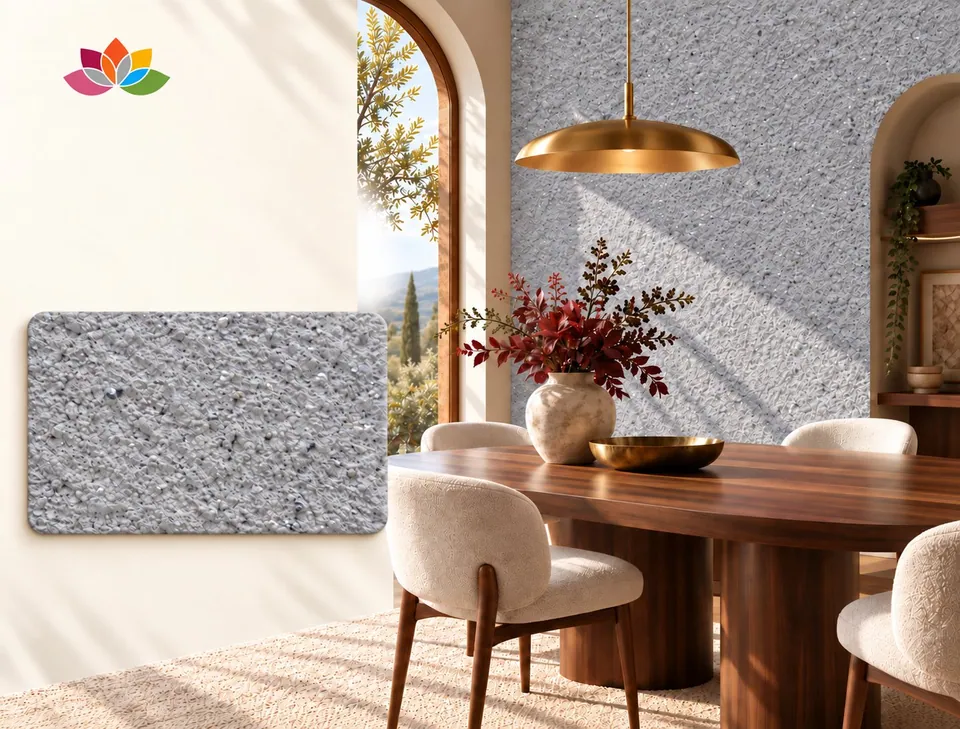
Decorative walls in 60 main colours, mixed colours and patterns.
Explore →Instead of paint
One product in place of paint, primer and gypsum layers.
Long-term savings
The colour does not fade and repairs are easy, so there is no need to repaint every few years.
Explore →Flexible texture
Its flexible structure means it does not crack or break.
Explore →Covering cracks
Covers hairline cracks and small flaws in the wall.
Explore →Easy repair
A damaged spot is dampened and smoothed out, leaving no mark.
Explore →Where it is used
Cotton plaster is applied in all kinds of interiors, from homes to public buildings.
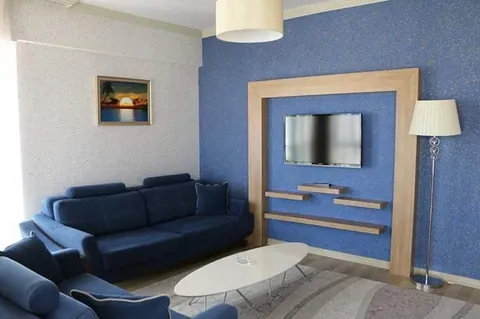
Homes
Living rooms, bedrooms and children's rooms, hallways and ceilings.

Offices, shops and salons
Waiting areas, shops and hair salons.
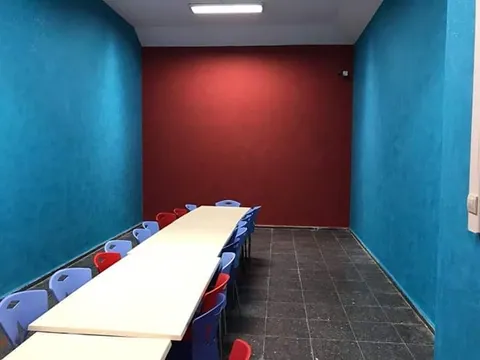
Schools and nurseries
Schools, nurseries, kindergartens and dining halls.
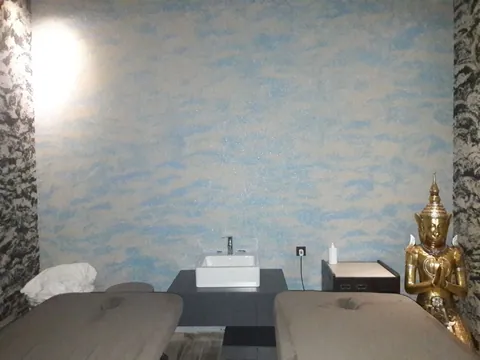
Hotels and spas
Hotel rooms, lobbies, spas and massage rooms.
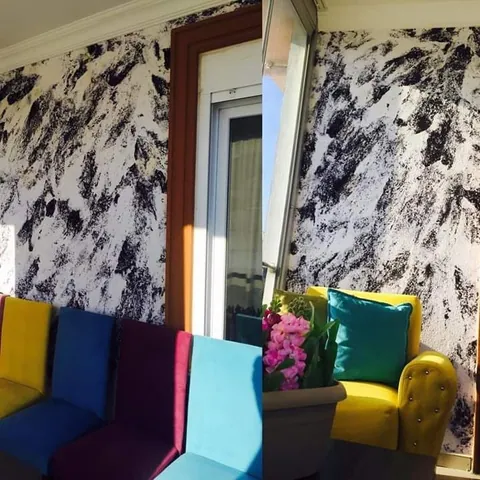
Cafés and film sets
Cafés and restaurants, and set walls for advertising and film shoots.

Public and institutional buildings
Our projects in municipal, commodity exchange and association buildings.
About surfaces
Can cotton plaster be applied to a painted wall?
Yes, as long as the paint does not dissolve in water; using a primer is recommended. If the wall was not dusted before it was painted, the paint may blister, so use a silicone-free conversion primer to avoid this.
Can it be applied over tiles or ceramic?
Yes. It can be applied to ceramic, marble and stone surfaces. Clean the surface and remove the dust before you start.
Can it be used on exterior facades?
No. Cotton plaster is an interior product. For facades, see the shell plaster and exterior coatings pages.
Can it be used in schools and children's rooms?
Yes. It is used in schools, nurseries and children's rooms. It has no odour and is not allergenic, and an area damaged by knocks is easily repaired by dampening and smoothing it.