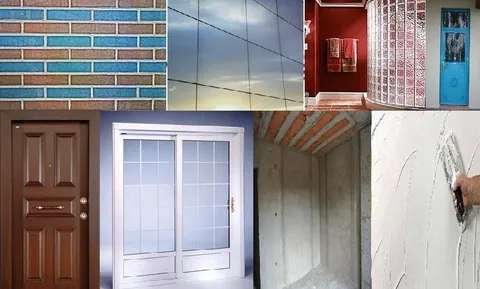

One product, dozens of surfaces
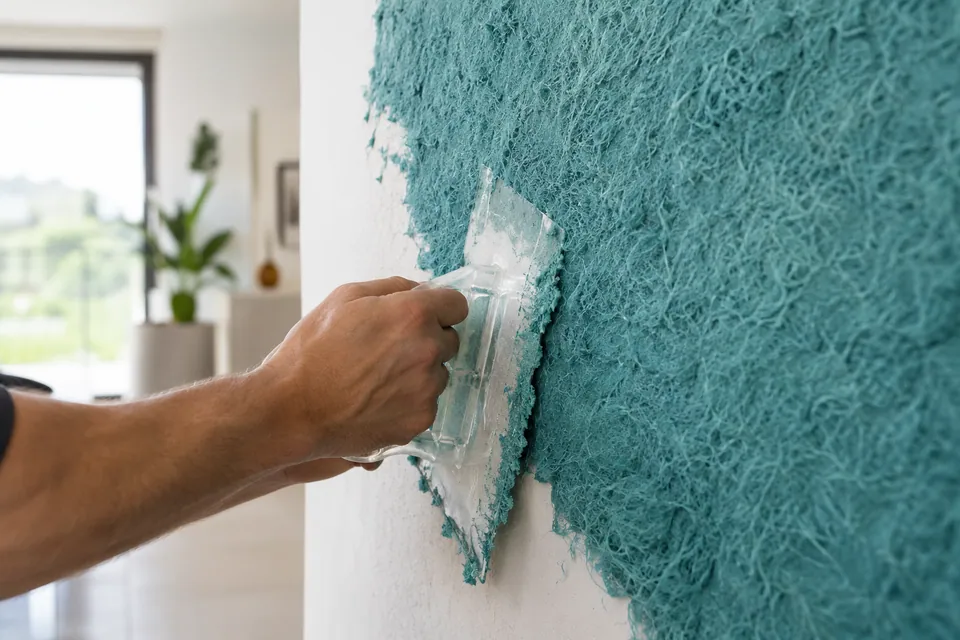
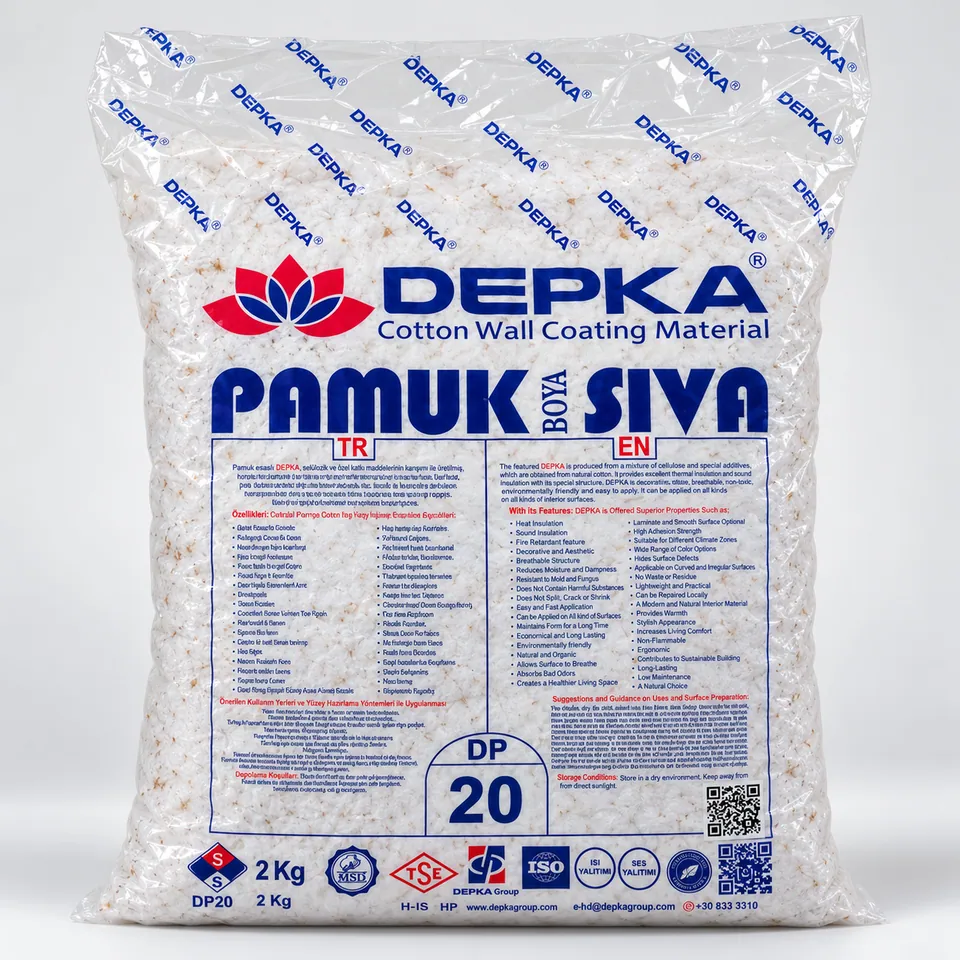
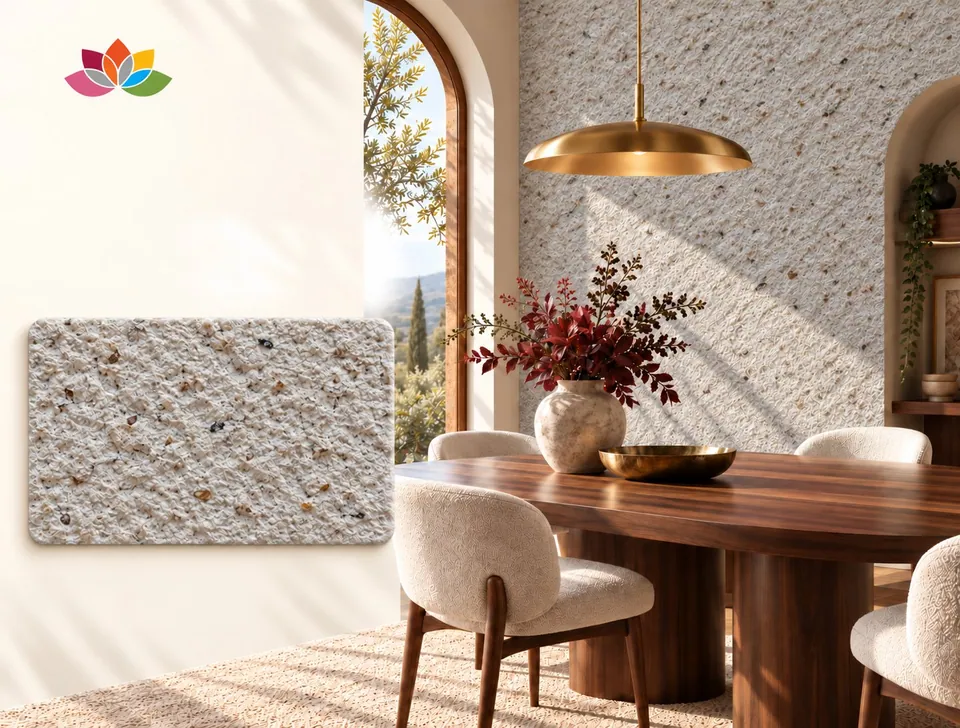
DEPKA cotton wall plaster is a flexible interior coating made of cotton, natural adhesive and decorative natural stone. The paste-like product is spread onto the surface with a trowel and, once dry, forms a textured, breathable finish.
This means it can be applied directly as soon as the wall has been built, with no need for rough plaster, skim coat, gypsum or paint. When renovating an existing wall, you can usually work straight over the current surface without any demolition.
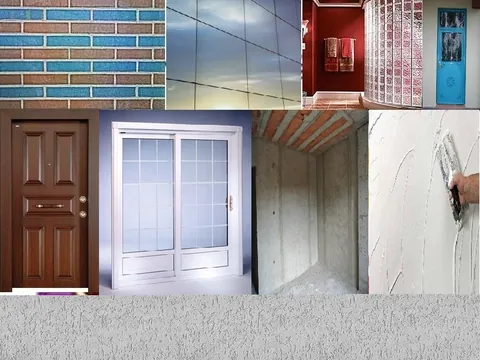
Suitable surfaces
Concrete and masonry
Concrete, newly built stone, brick and aerated concrete walls.
Plaster and gypsum
Rough plaster, skim coat, gypsum, satin gypsum and plasterboard.
Painted surfaces
Over sound paint that does not dissolve in water; a primer is recommended.
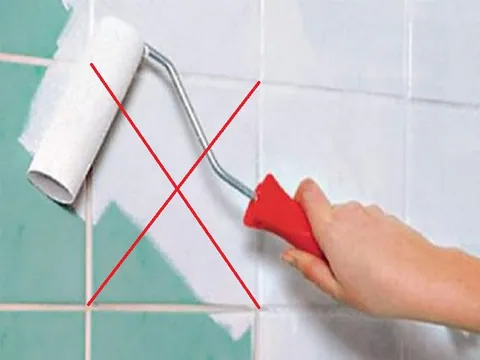
Ceramics and tiles
Ceramic-clad surfaces, including wall tiles.
Wood, metal, glass, PVC
Wood, metal, glass and PVC surfaces, provided they are clean, dust-free and dry.
Ceilings
Interior ceilings, with the same texture as the walls.
Preparation by surface
| Surface | What to do |
|---|---|
| Natural surfaces (stone, brick, concrete, aerated concrete, plaster) | Apply directly. Wipe off the dust with a damp cloth and let the surface dry. |
| Gypsum, satin gypsum, plasterboard | Apply directly. Remove the dust from the surface before you start. |
| Painted surfaces | Remove poor-quality paint that dissolves in water. On sound paint, a silicone-free bonding primer helps; ceiling paint can also be used as a primer. |
| Damaged or problem surfaces | Fill large holes with gypsum plaster or cement; for a more durable result, use a concrete bonding primer. |
| Wallpaper | Do not apply over wallpaper; strip the paper and clean the surface. |
| Ceramics, wood, metal, glass, PVC | Make sure the surface is clean, dust-free and dry. |
For step-by-step preparation and application, see our application rules article.
Why layers that dissolve in water must be removed
Cotton plaster is mixed with water. A layer that dissolves in water, such as poor-quality paint or wallpaper, softens when it comes into contact with the wet paste and can bleed into the coating. That is why such layers should be removed before application.
If the surface was not dusted before it was painted, the dust trapped under the paint can make it blister when it gets wet. If in doubt, use a bonding primer.
About surfaces
Can cotton plaster be applied over tiles?
Yes. It can be applied to ceramic and tiled surfaces. The surface just needs to be clean, dust-free and dry.
Can it be applied over wallpaper?
No. Wallpaper softens when wet and can cause problems under the coating. Strip the paper first and clean the surface.
Is a primer essential?
Most surfaces do not need a primer. On painted or damaged walls, or walls with materials that dissolve in water, a primer gives you a more reliable result.
Can it be used on exterior walls?
DEPKA cotton plaster is for interior walls and ceilings. For facades, shell plaster or crystal ceramic plaster is the right choice.