
What is thermal insulation
Heat is a form of energy that flows naturally from a warmer environment to a cooler one. In winter, warm air flows from inside to outside; in summer, hot air flows from outside to inside.
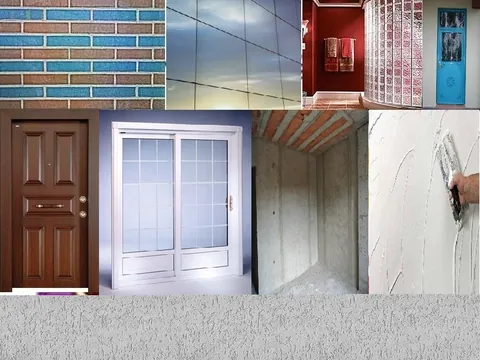
Thermal insulation means using special materials on the building envelope (the external walls, doors, floors, ceilings, roof and windows) to limit this flow. Good insulation reduces the energy used for heating in winter and cooling in summer.
Which materials count as thermal insulation
Under European standards, materials with a thermal conductivity (λ) below 0.065 W/mK are classed as thermal insulation materials, while those above it are classed as building materials.
The lower the λ value, the less heat the material conducts. But this value is not enough on its own: how well insulation performs depends on the λ value together with the thickness of the material. Even a material with low thermal conductivity will not provide thermal insulation by itself if it cannot be applied thickly enough.
What to expect from a thermal insulation material
Low thermal conductivity
The λ (W/mK) value should be low.
Sufficient thickness
It should be possible to apply it at the thickness required.
Vapour permeability
It should let indoor moisture and vapour escape.
Dimensional stability
It should not change shape or size over time.
Fire safety
It should not ignite or accelerate flames in a fire.
Moisture resistance
It should not be adversely affected by water, moisture or vapour.
Lightness
It should be light and easy to work with.
Harmlessness
It should not harm people or the environment.
Economy
Its cost should be balanced by the savings it delivers.
What does a breathable building mean
Buildings do not breathe in and out like people; if air passed through the walls, it would be impossible to heat indoor spaces. Rooms are ventilated by opening the windows briefly (5–10 minutes) at regular intervals.
A "breathable building" means that the moisture and water vapour produced indoors can escape. What matters here is not whether the insulation is fitted inside or outside, but the type of material used and its resistance to the passage of water vapour, known as the vapour diffusion resistance factor (μ).
Thermal insulation materials and where they are used
| Material group | Example | Where it is used |
|---|---|---|
| Synthetic foams | EPS | External wall insulation |
| Synthetic foams | XPS | Terraces, walls in contact with the ground, roofs, internal insulation |
| Mineral and plant-based fibres | Stone wool | External insulation, roofs, interior walls |
| Mineral and plant-based fibres | Glass wool | Roofs, interior partition walls |
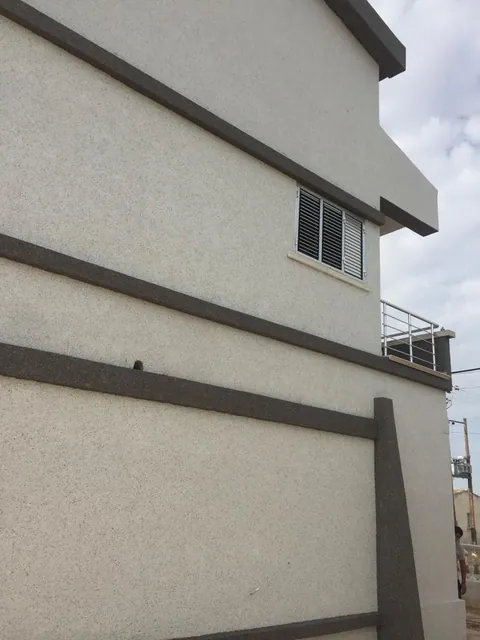
| Insulating plasters | Thermal insulating plasters | Internal and external insulation |
Source: compiled from publications of the Ankara branch of Makine Mühendisleri Odası (the Turkish Chamber of Mechanical Engineers).
Where DEPKA products come in
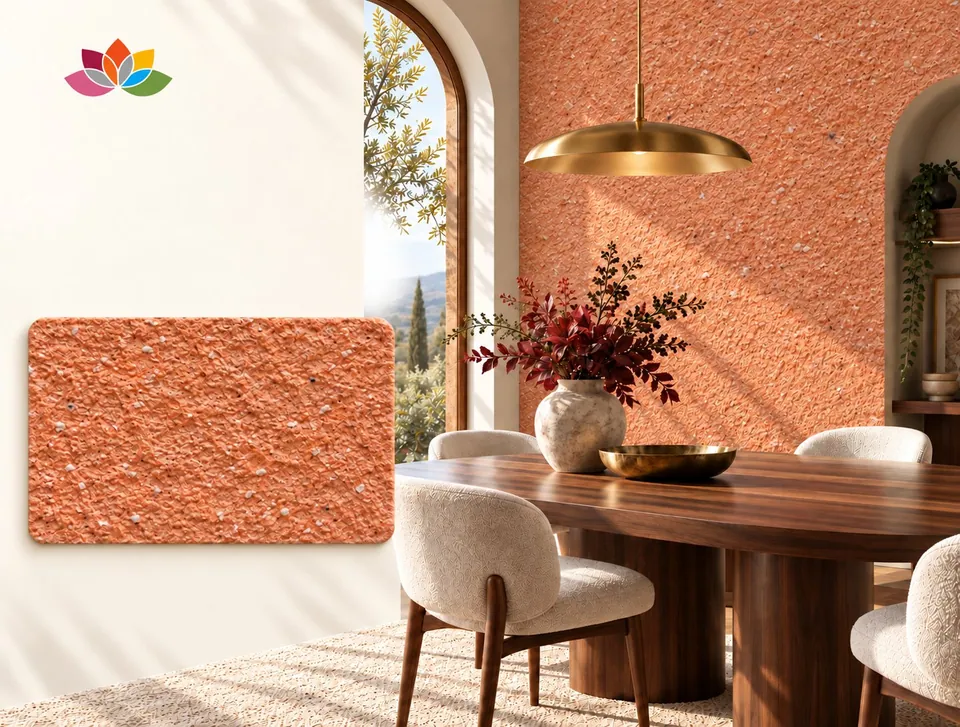
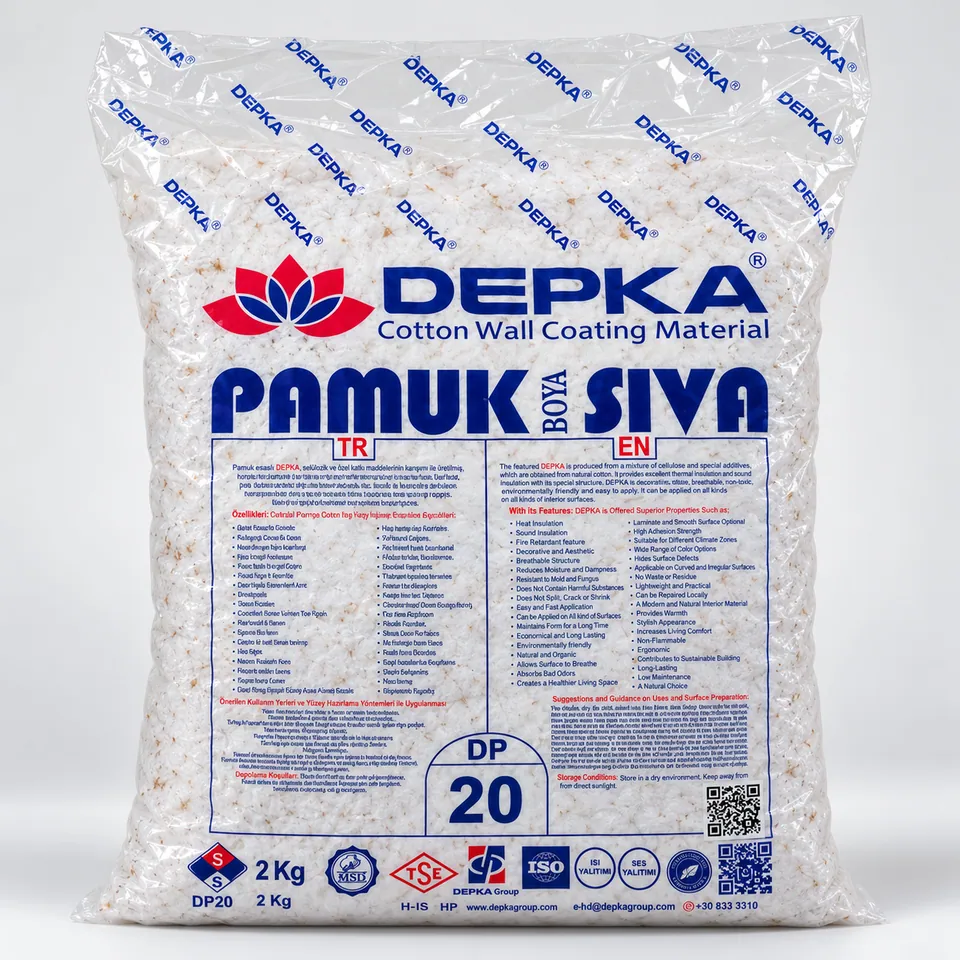
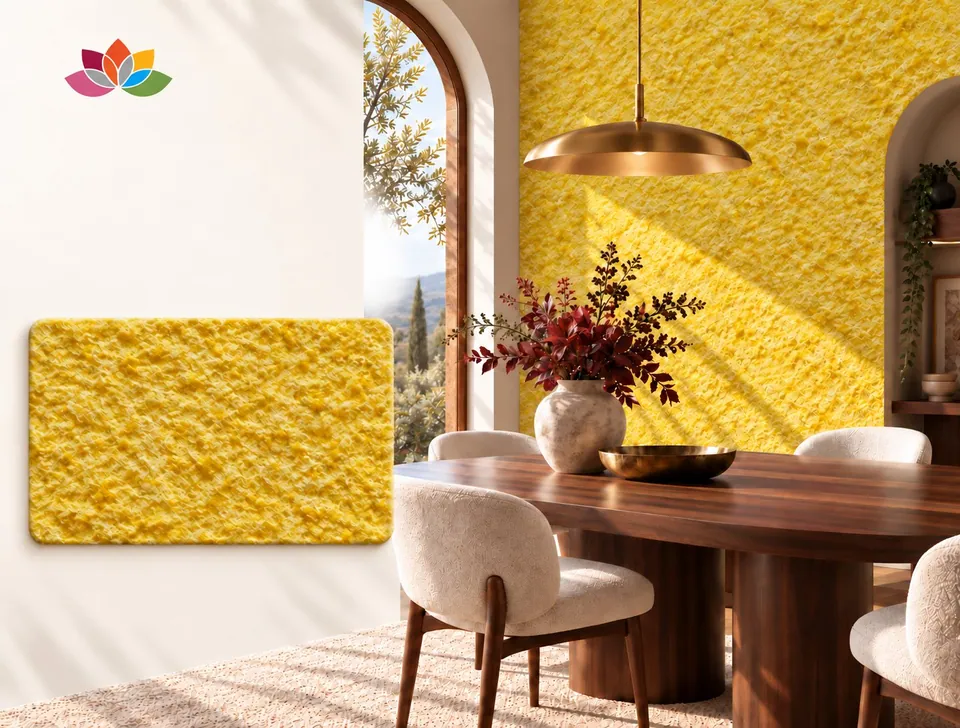
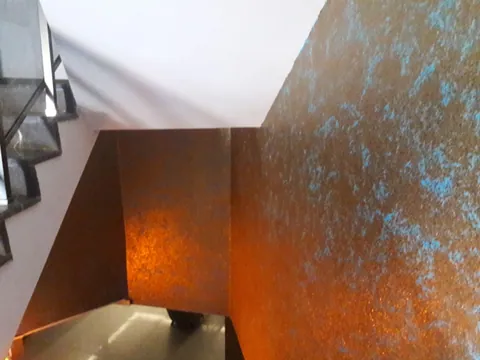
DEPKA cotton plaster is a decorative coating used on the surface of interior walls and ceilings. Its cotton fibre structure contributes to thermal insulation and offers up to 40% energy savings on heating and cooling.
As explained above, thickness is decisive in insulation, so the effect varies with the structure of the wall and the thickness of the application. For projects that need comprehensive insulation of the building envelope, you can combine it with DEPKA's interior and exterior insulating plasters.
Frequently asked questions
Can cotton plaster replace external wall insulation?
Cotton plaster is a decorative coating that contributes to thermal insulation on the interior surface; it is not a building-envelope insulation system like external wall insulation. In buildings that need comprehensive insulation, the two can be considered together.
Should thermal insulation be fitted inside or outside?
Where moisture is concerned, the deciding factor is less the side the insulation is fitted on than the type of material used and its vapour diffusion resistance. We recommend getting advice from a specialist based on the condition of your building.
Which insulation products does DEPKA offer?
For interiors we offer cotton plaster and interior insulating plaster; for facades, exterior insulating plaster. Please contact us for the price of the insulating plasters.