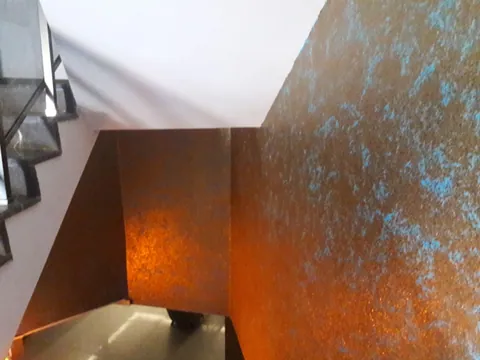

Training gallery · Sample
Cotton plaster sample panel
A cotton plaster sample panel lets you see the colour, texture and thickness on a small surface before you move on to the wall. For applicators, it is also the easiest way to get the feel for the material. This page is part of our Côte d'Ivoire training material; the training video and the applicator checklist are on the Côte d'Ivoire applicator training page.
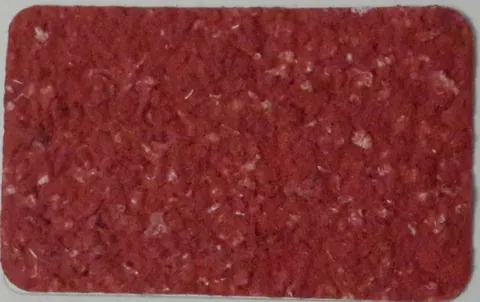
What a sample is for
- Colour: The colour you see on screen or on the colour chart can look different in your own light. A sample shows the colour in its real setting.
- Texture: Cotton fibres and natural stone particles create a three-dimensional surface on the wall; a sample lets you see and feel that texture for yourself.
- Mix tests: If you plan to mix two or more colours, try the ratio on a sample first.
- Repair material: Keep a few samples once the job is finished, so the exact colour is to hand for any future repairs.
Step by step
How to make a sample panel
- 01
Pick a small surface
A dry, clean piece of plasterboard or wood is enough. A surface similar to the wall you'll be coating gives a more realistic result.
- 02
Mix a small batch
Keep to the ratio: 4 litres of lukewarm water per 1 kg of product, which means 400 ml per 100 g. Even with a small amount, don't skip the 20-minute rest.
- 03
Apply at the real thickness
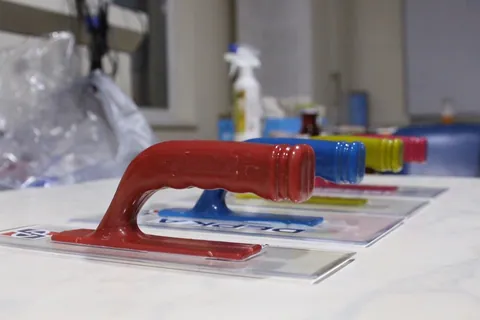
Apply it 1.5–2 mm thick, as you will on the wall, using the transparent DEPKA trowel.
- 04
Decide once it's dry
Let the sample dry for 12–24 hours, then make your decision when it is completely dry, in daylight.
Sample and colour chart examples
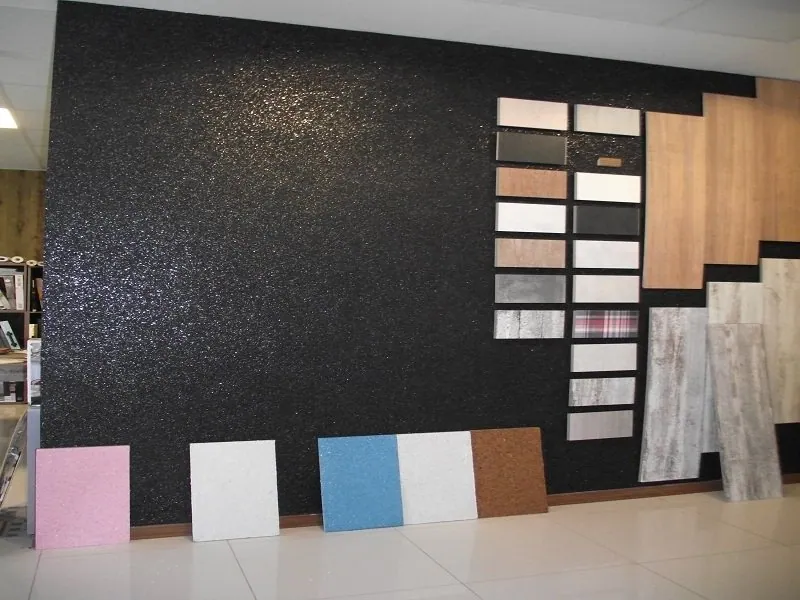
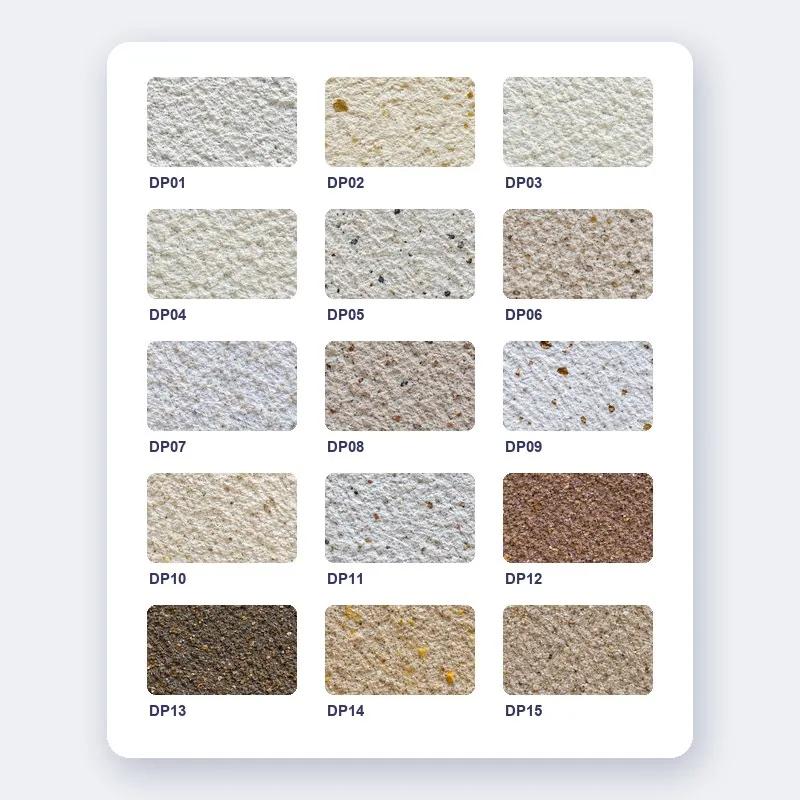
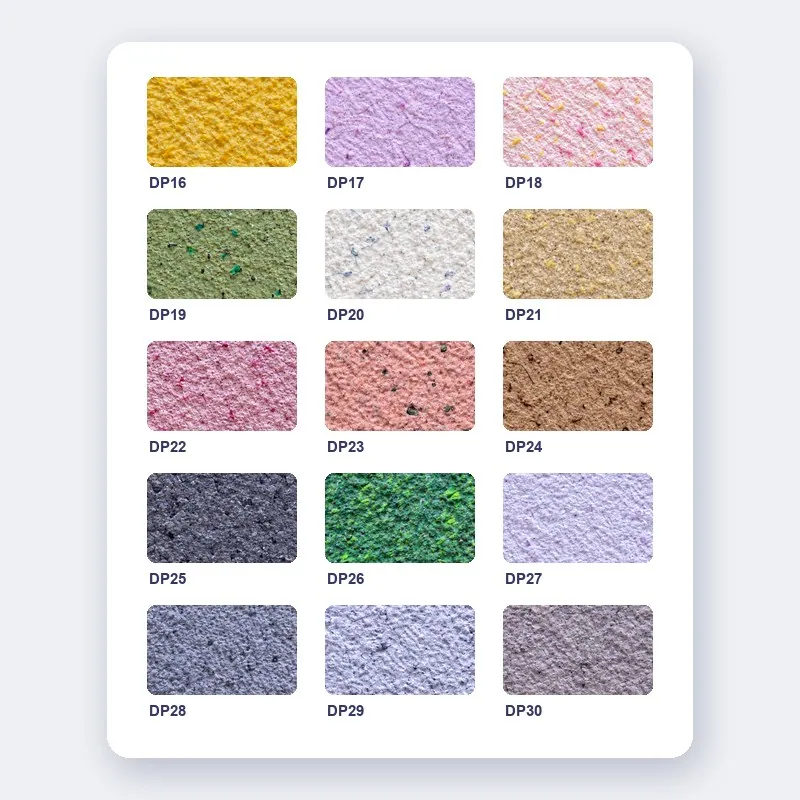
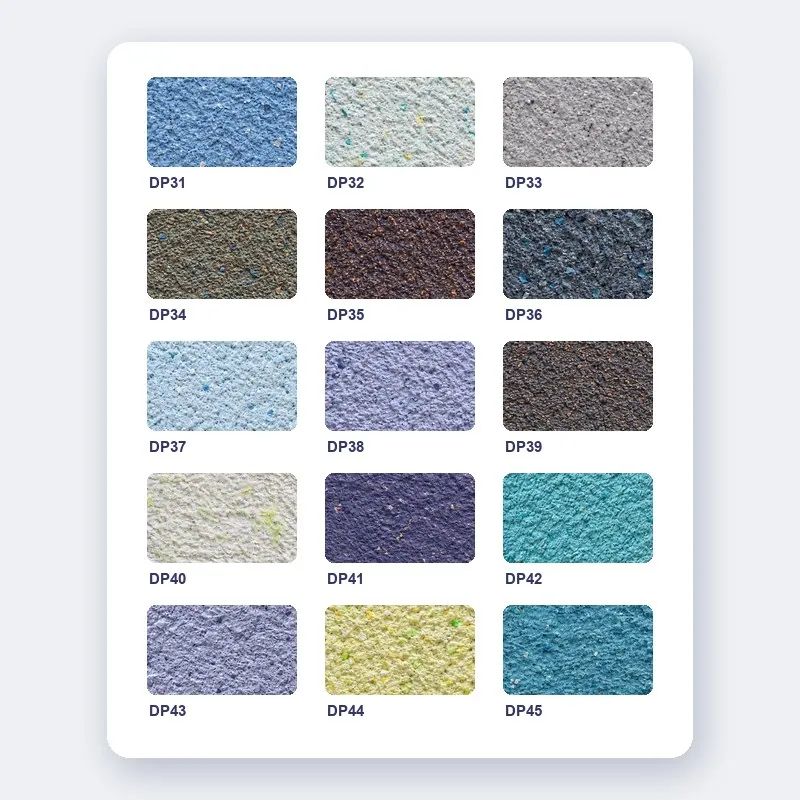
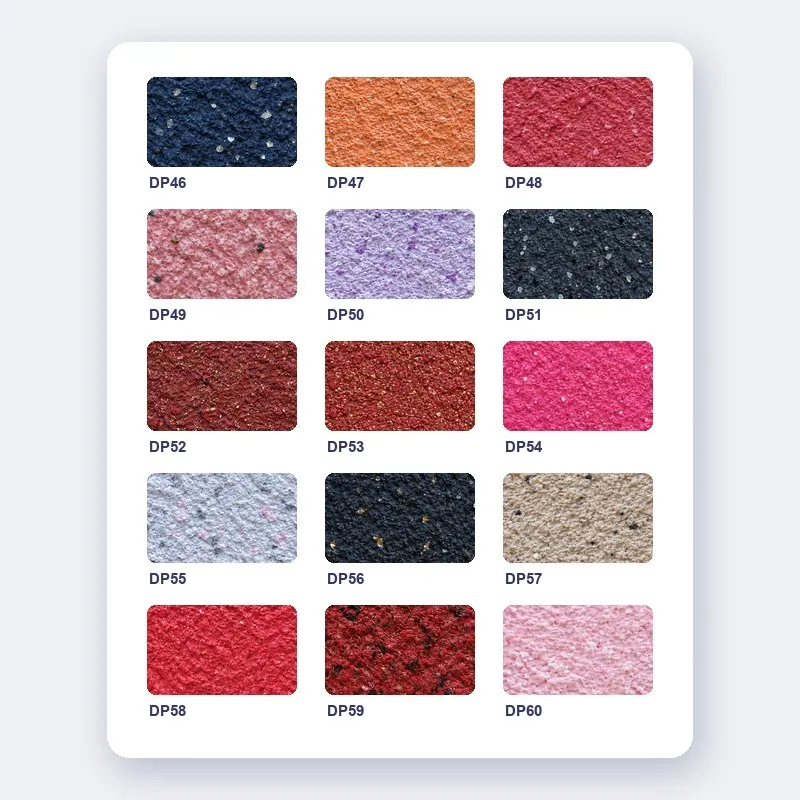
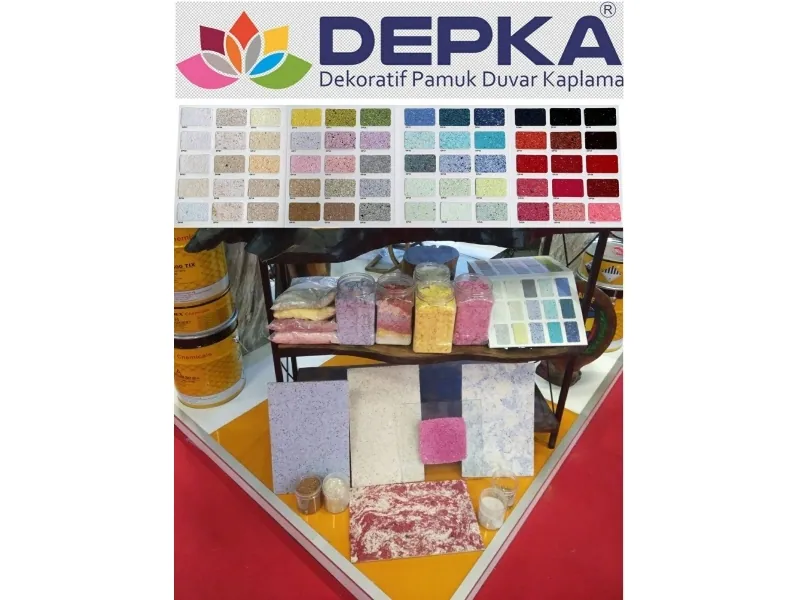
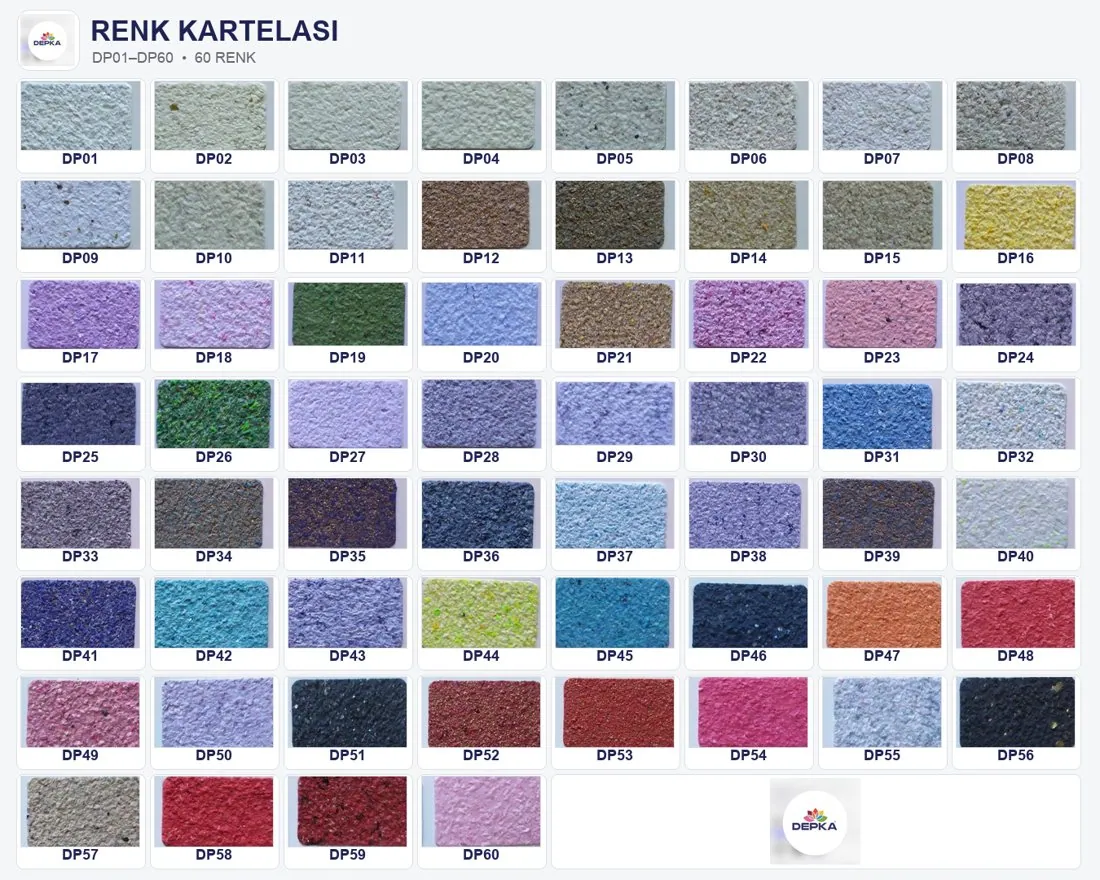
Colour chart or sample?
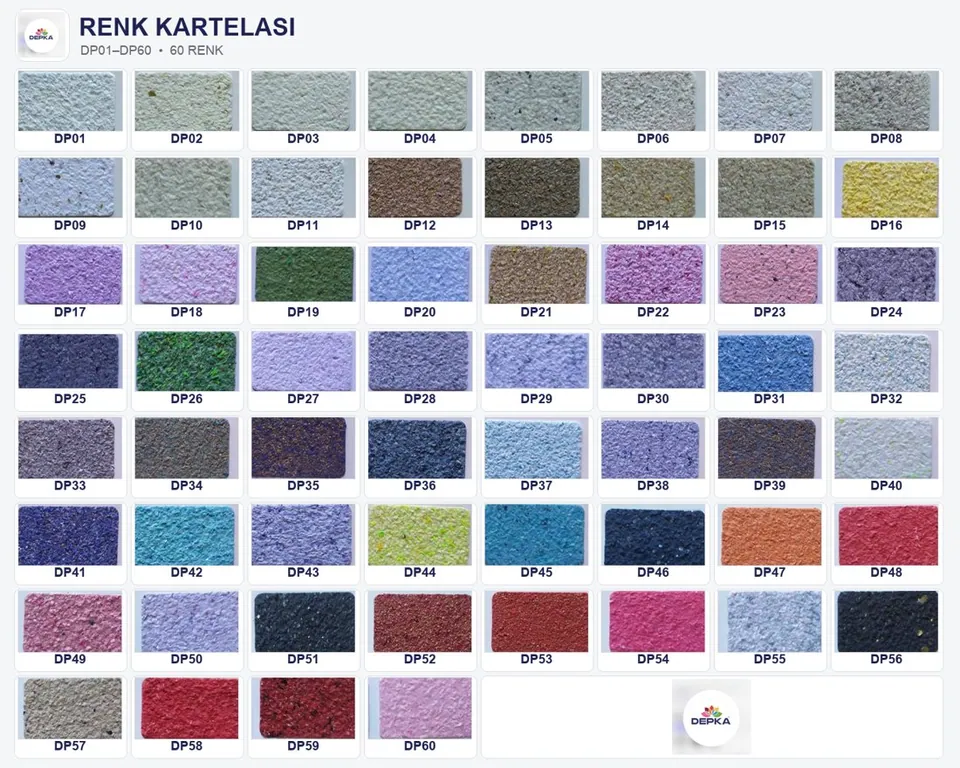
The colour chart shows all 60 colours together and helps you narrow down your choice. The final decision, though, comes from a sample made on a surface similar to your own wall. See the full range on the colour chart page.
About samples
How much product do I need for a sample?
A few hundred grams is enough for a small sample. Since 1 kg of product covers 3.5–4 m², 100 g covers roughly 0.35–0.4 m².
Will the wall look different from the sample?
With the same product and the same water ratio, the result will be very close to the sample. Room lighting can change how a colour looks, so examine the sample in the room you are coating.
Should I keep the sample?
Yes. We recommend leaving a few samples on site, so you can easily match the colour if you ever need to repair a knock or a stain. Store dry product in its sealed packaging in a dry, well-ventilated place.