
Training gallery · Application
Applicator training in Côte d'Ivoire
You don't need special tools to apply cotton plaster well; the right consistency and the right hand movement are enough. Here you'll find the video of our application training with applicators in Côte d'Ivoire, plus an applicator checklist drawn from DEPKA's application rules.
Application training videos
Applicator checklist
- Surface
- Remove dust with a damp cloth; strip off water-soluble paint and wallpaper, and fill large gaps with gypsum plaster or cement
- Batch size
- No more than 6 kg at a time; prepare only as much product as you need
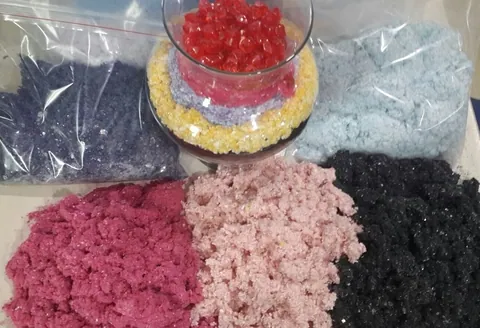
- Loosening the cotton
- Before adding water, pull apart any clumped cotton by hand or with a mixer
- Water
- 4 litres of clean, lukewarm water per 1 kg of product; no additives other than water (apart from mica flakes or glitter for decoration)
- Consistency
- Mix for 20–25 min, rest for 20 min, then mix for 5 min; the mix should feel as soft as an earlobe
- Thickness
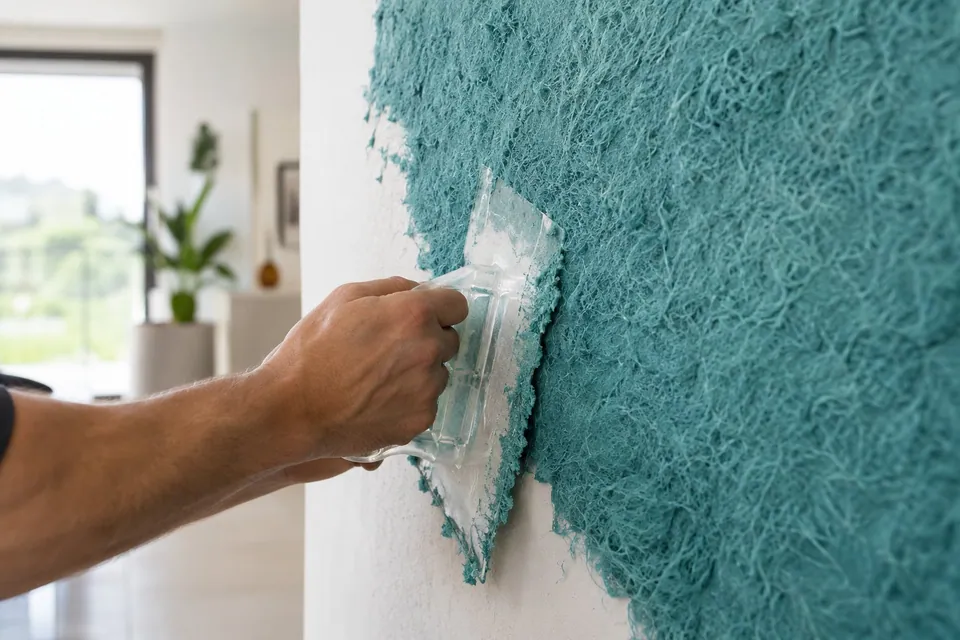
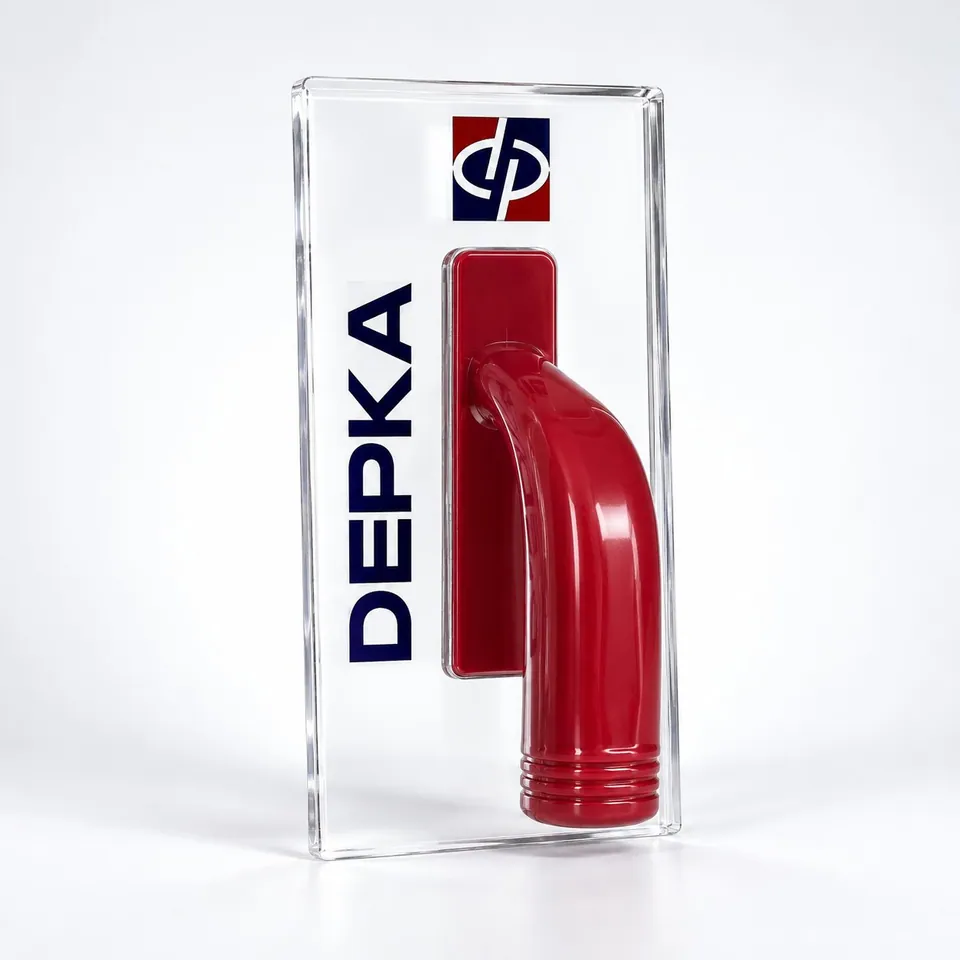
- 1.5–2 mm, with the transparent DEPKA trowel; work in small sections until you get the feel for it
- Breaks
- If you'll carry on the next day, wet the unfinished edge for 10–15 cm; the join won't show
- Corners
- Finish one corner first and move on to the opposite corner a little later
- Drying
- 12–24 hours; ventilate the room and, if needed, run a fan from a distance
- Handover
- Leave a few samples or some dry product in the same colour for future repairs
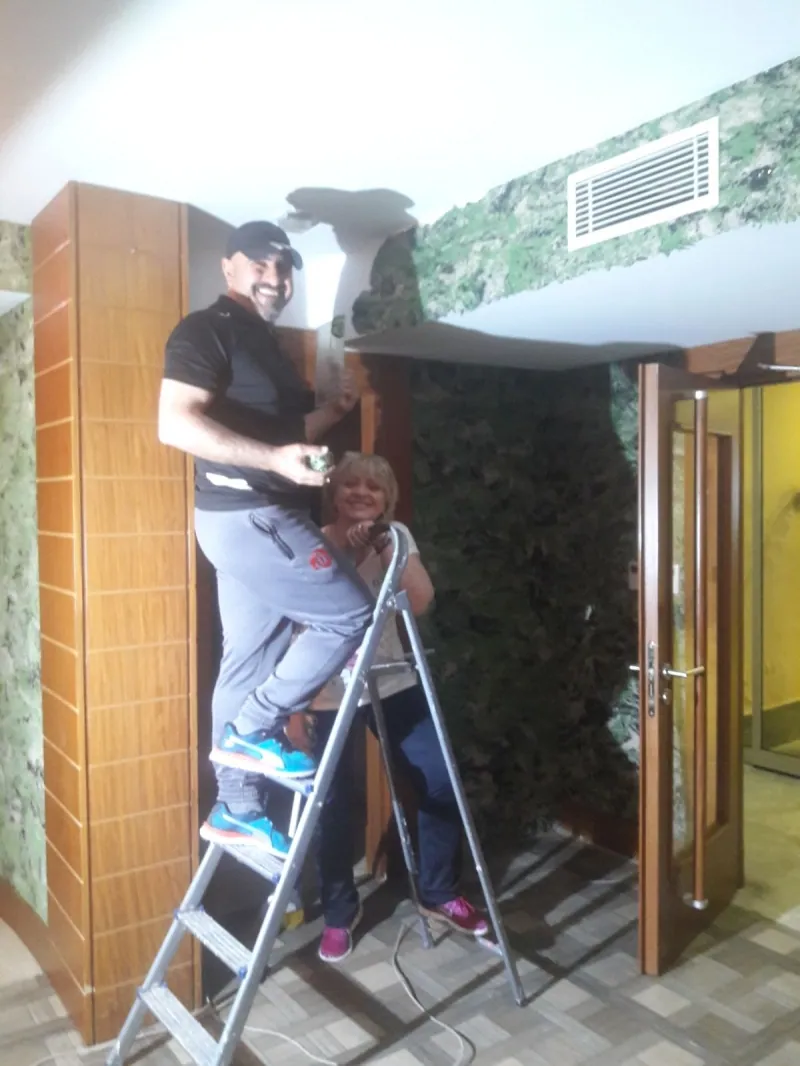
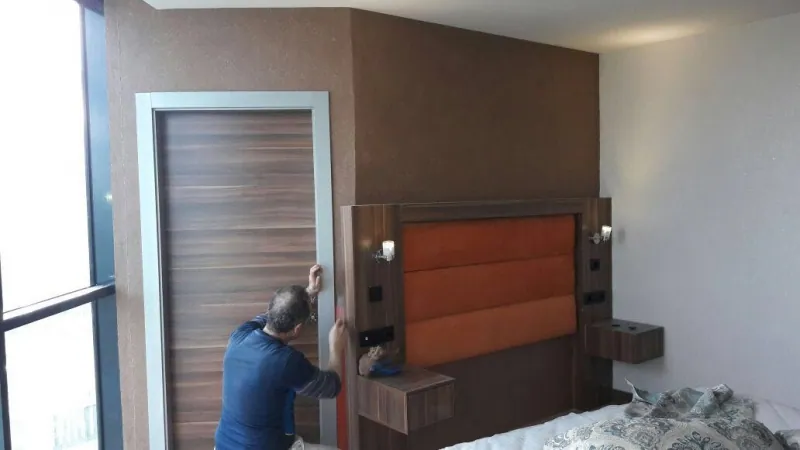
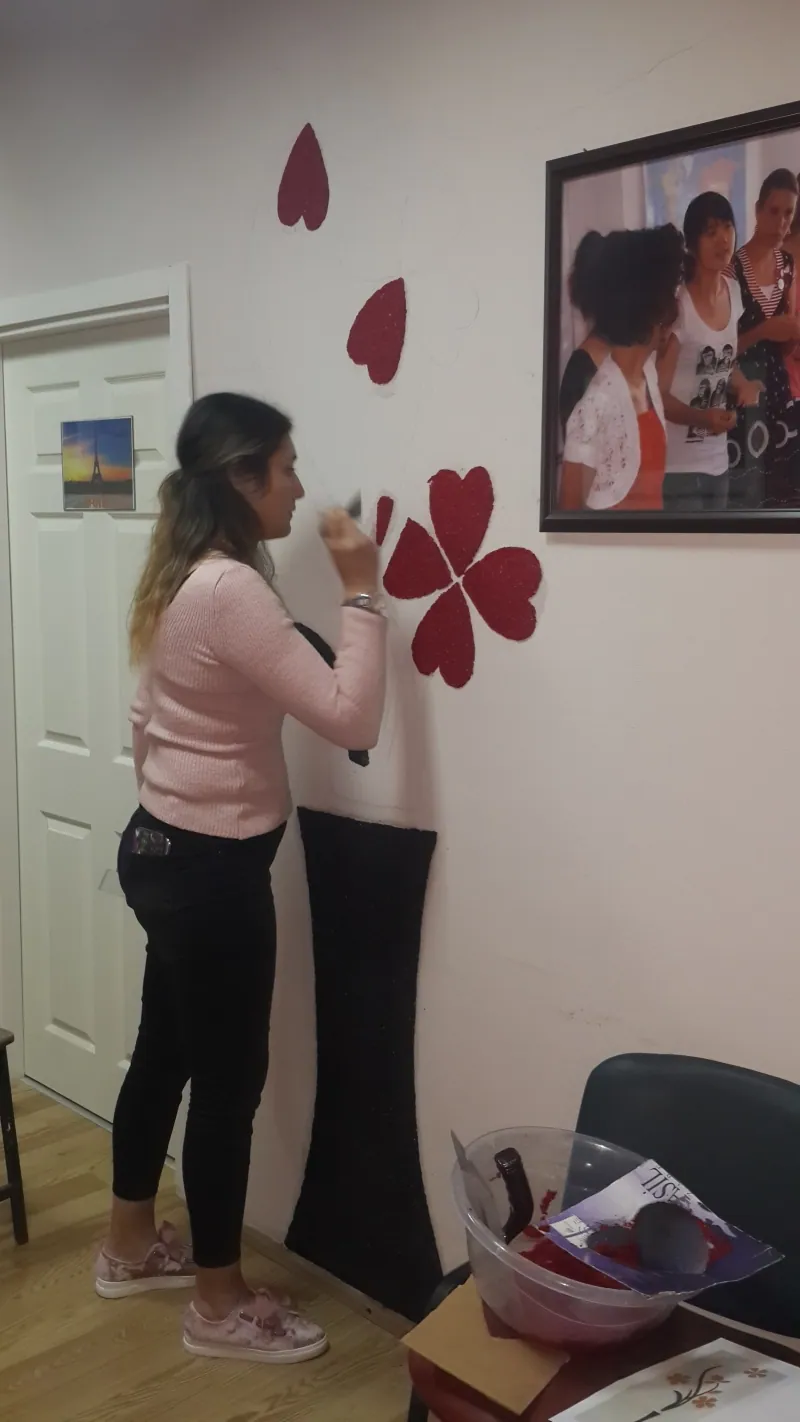
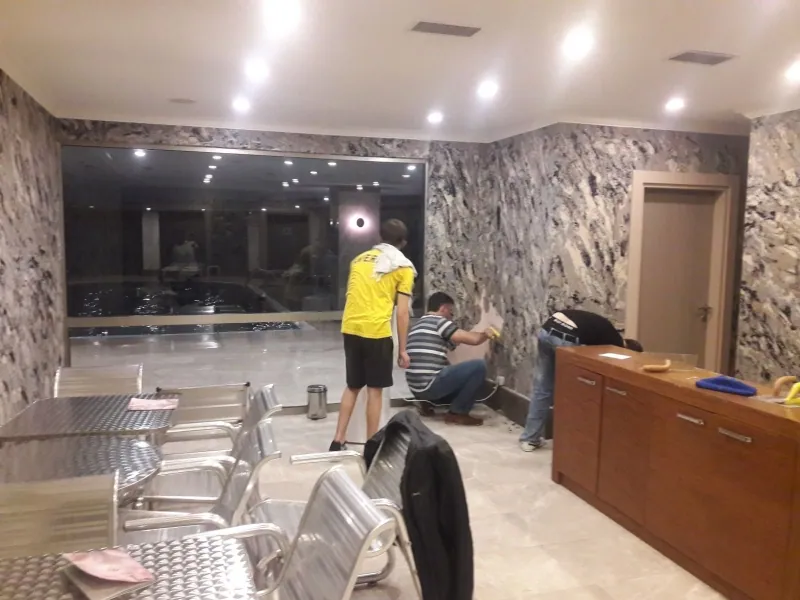
Scenes from the application
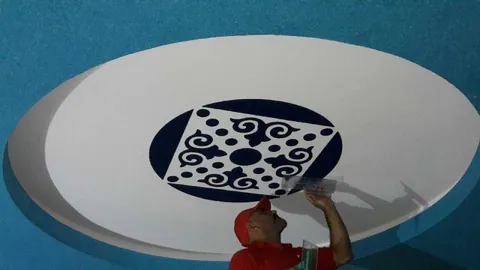
Photos of cotton plaster being applied, gathered from different projects.
Thickness and insulation
The standard application is 1.5–2 mm thick. How much the coating contributes to thermal and sound insulation depends on the thickness applied and the structure of the wall. The steps are explained in detail in the preparation and application guide; for special projects, ask us.
Questions from applicators
How do I know the consistency is right?
Add 4 litres of lukewarm water to 1 kg of product, mix for 20–25 minutes and leave it to rest for at least 20 minutes. The mix should feel as soft as an earlobe. The better it rests, the easier it is to apply.
Is a primer needed?
On most surfaces, no. For painted or problem surfaces, check the surface table in the preparation guide to see which primer to use.
Can it be applied to ceilings and exterior walls?
Cotton plaster is made for interior walls and ceilings, and the same rules apply on ceilings. It is not used on exterior walls; for facades, see shell plaster.